Gynecological surgery is common. Hysterectomy, fibroid removal, endometriosis excision, ovarian cyst surgery. Thousands of people have these procedures every week. What's less common is honest talk about what happens to pleasure afterward.
Your surgeon will tell you when you can return to exercise, when the incisions are healed, when penetrative sex is safe. But pleasure? Sensation? Orgasms? That conversation often gets skipped entirely. The result is people limping back into their sexual life without a roadmap, assuming numbness or difficulty orgasming is permanent.
This depends partly on the surgery itself. A hysterectomy removes the uterus but doesn't remove clitoral nerves or sensation. Endometriosis excision removes scar tissue that was probably already messing with pleasure. An oophorectomy (ovarian removal) does drop hormone levels, which is different from nerve damage.
What most gynecological surgeries DO have in common: temporary numbing from swelling, nerve irritation from the procedure itself, and sometimes a psychological protective response (your brain deciding "that area is unsafe" for a while).
The good news. The clitoris is incredibly resilient. It has 8,000 nerve endings concentrated in a small space. Surgery in the pelvic region rarely damages those directly. What's usually happening is inflammation, nervous system guarding, and a perception of threat that fades once you prove to your body that pleasure is safe again.
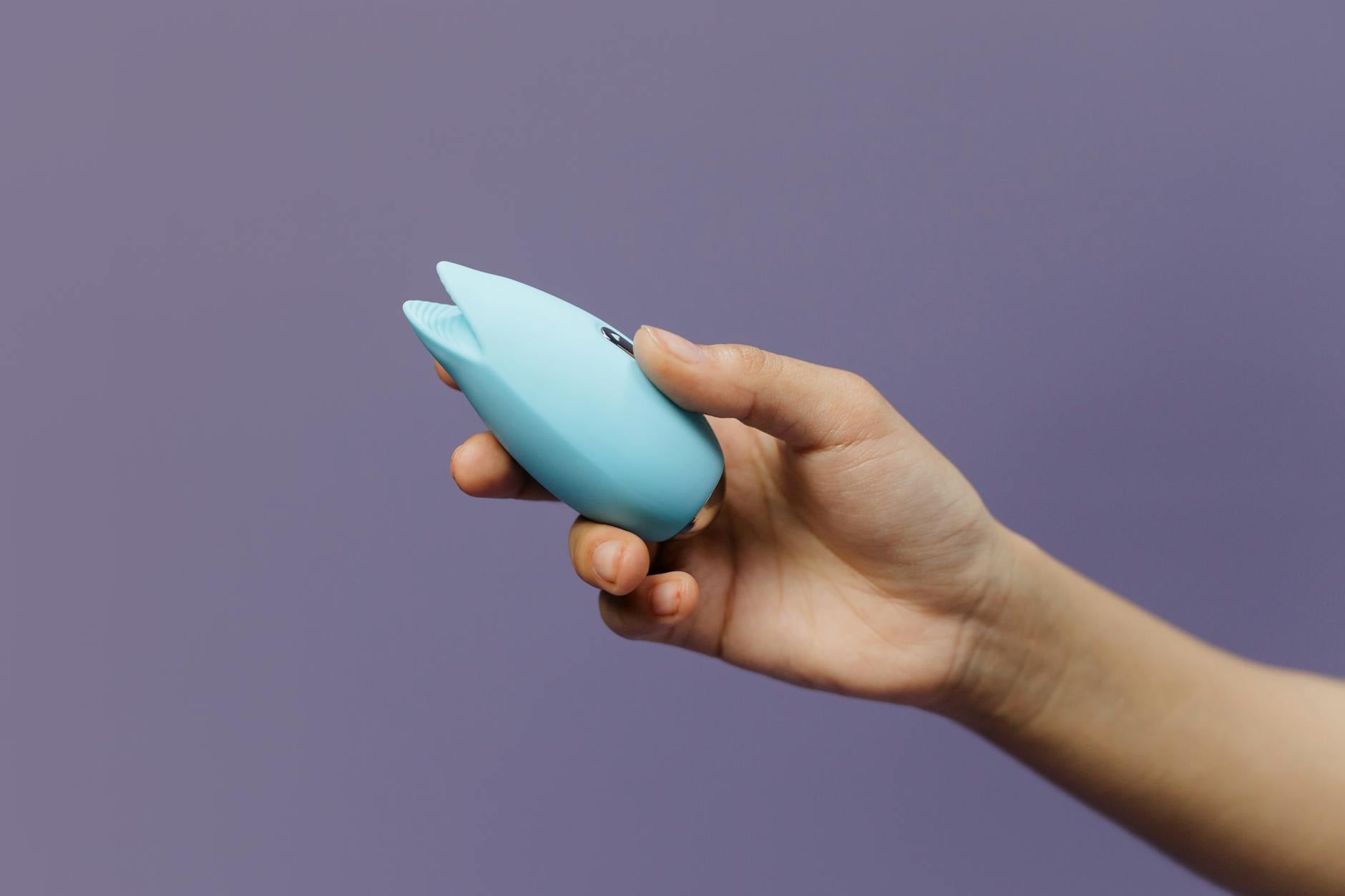
Lemon vibrators, specifically air-suction devices like the ones designed by The Lem Shop, create stimulation through gentle suction rather than direct vibration or friction. This matters a lot during recovery.
Direct vibration can feel too intense on newly healed or sensitive tissue. It can trigger a protective response where your body tightens up instead of opening. Suction, by contrast, works by creating a gentle vacuum that stimulates nerves without mechanical pressure. The sensation is different. It's less like being struck and more like a sustained, building pressure.
For someone rebuilding sensation after surgery, that difference is crucial. You can start at lower intensities (settings 1 and 2) and gradually work up as your nervous system recalibrates. You don't have to commit to full vibration intensity while you're still healing.
Lemon clitoral vibrators also allow you to control the exact point of contact. With a traditional vibrator, you're committing to whatever contact pattern the device creates. With suction, you can move it, adjust the seal, and have much more nuanced control. During recovery, that control is empowering.
Check with your surgeon first. Most will clear you for external stimulation 3 to 4 weeks post-op, though some may recommend waiting longer depending on the surgery.
Once you're cleared, start slow. And I mean really slow.
Week 1 of clearance: exploration without stimulation. Let your hand drift over the area. Notice where sensation feels normal and where it feels numb or tender. Don't use any toy. Just build awareness. This isn't about orgasm. It's about mapping what's happening in your own body.
Week 2: introduce suction at the lowest setting. Spend 5 to 10 minutes just getting used to the sensation. You might feel nothing. You might feel everything. Both are normal. The goal here is nervous system familiarity, not arousal.
Week 3 and beyond: if everything feels stable, increase time and gradually test higher settings. Most people find that settings 3 and 4 on a lemon suction vibrator feel ideal during early recovery. Full intensity (5 and 6) usually becomes accessible around 8 to 12 weeks post-op, but that varies wildly depending on the surgery and your body.
Orgasms often take time to return fully. Don't panic if it takes three to six months to get back to your pre-surgery baseline. That's completely normal.
Some people notice that the area feels partially numb after surgery, like it's waking up from anesthesia for weeks. That numbness usually recedes on its own, but you can speed it up slightly.
Gentle touch throughout the day, outside of sexual contexts, helps. Massage, a partner's hand, even just touching yourself while showering reactivates those neural pathways. You're basically reminding your nervous system that touch is safe and normal.
When you do use a lemon vibrator, focus on the building sensation rather than chasing orgasm. Many people in recovery find that orgasms come easier once they stop trying to force them and instead just enjoy the building pleasure. That's not woo. That's nervous system calming. You're training your brain that this area is safe for pleasure again.
If numbness persists beyond three months or gets worse, mention it to your surgeon or a pelvic floor physical therapist. Sometimes scar tissue or nerve irritation needs intervention.
Body recovery and emotional recovery don't always move at the same pace. You might be physically healed and still feel anxious about pleasure. Or you might notice guilt around needing a break from your partner, or resentment that your body "isn't working." That stuff is real and worth naming.
Gynecological surgery can trigger some deep stuff. The pelvic area carries a lot of emotional weight. Reclaiming pleasure there isn't just physical. It's psychological.
Give yourself permission to rebuild slowly. Permission to feel frustrated. Permission to ask your partner for patience. Permission to explore on your own first, without pressure to perform or connect sexually with anyone else until you're ready.
If you're working with a partner through recovery, the most useful thing you can do is separate conversations. "My body is healing" is a medical fact. "I still want to feel connected to you" is a separate emotional need. Conflating them usually means you end up solving neither one.
Use water-based lube even if you don't think you need it. Post-surgical tissue can be sensitive, and lube reduces any friction that might register as uncomfortable.
Clean your lemon vibrator before and after use. You're working with tissue that's still healing. Basic hygiene matters more than usual.
Start with solo exploration rather than partner play. That removes performance pressure and lets you focus purely on what feels good to your body right now.
If orgasm feels impossible or painful, stop and try again another day. You're not broken. Your nervous system is just being cautious. Keep going with gentle exploration, and the capacity usually returns.
Consider working with a pelvic floor physical therapist if you have access. They can assess whether the numbness or difficulty is scar tissue, nervous system guarding, or actual nerve damage. Most cases are guarding, and physical therapy accelerates healing by a lot.
After about 8 to 12 weeks, most people can handle higher intensities and longer sessions. You'll know you're ready when sensations feel stable and predictable again.
Organ sensitivity returning is a good sign. If you notice that setting 4 now feels too gentle and setting 5 feels right, that's your body telling you recovery is progressing. Orgasms becoming easier and more reliable is another green light.
There's no rush. Some people get there faster, some slower. Healing isn't linear. You might have a day where sensation feels great, then a day where it feels muted again. That's just your nervous system recalibrating. It settles down over time.
If you experience pain (not just discomfort, but actual pain) during or after using a vibrator, pause and mention it to your surgeon. It could mean scar tissue is being aggravated or there's residual inflammation you need to address.
If sensation never returns or actually worsens over time, that's also worth investigating. Most post-surgical numbness resolves within three to six months. Persistent changes might indicate nerve involvement that benefits from physical therapy or other intervention.
If you notice unusual discharge, infection signs, or opening up of the incision area during sexual activity, stop immediately and contact your surgical team.
Otherwise, trust the process. Your body knows how to heal. Pleasure is part of that healing. Using tools like a lemon clitoral vibrator simply gives you more agency in the process.
Most surgeons clear external stimulation around 3 to 4 weeks post-op, but check with your surgical team about your specific procedure. If you had sutures or tape, internal healing matters too. When in doubt, wait an extra week. Your pleasure isn't going anywhere.
Not if you're gentle and listen to your body. In fact, gentle stimulation can help reactivate neural pathways and improve circulation to the healing area. The key is starting low and stopping immediately if anything hurts.
Suction provides sustained, gentle pressure without the mechanical striking force of vibration. For sensitive post-surgical tissue, that difference means you can stimulate nerves without overwhelming them. It's easier to control intensity and duration too.
Completely normal. Your nervous system is recalibrating. Some people bounce back in weeks, others take three to six months. Psychological factors (anxiety, frustration, pressure) also slow things down. Patience plus gentle exploration usually gets you there.
Check with your surgeon about timing for penetrative sex, which is usually cleared around 6 weeks. But remember that penetration isn't the only form of sex. Manual stimulation, oral sex, and solo exploration with toys are often options earlier than full penetration. Talk with your partner about what feels emotionally and physically safe.
Mention it to your surgeon or ask for a referral to a pelvic floor physical therapist. Sometimes scar tissue or nerve irritation needs specific intervention, but those problems are very treatable. Don't assume numbness is permanent.
Recovery from gynecological surgery is one of those life chapters nobody wants to talk about. But pleasure is part of your healing, not separate from it. You deserve to rebuild it thoughtfully, safely, and joyfully. That's what tools like lemon clitoral vibrators are designed for. If you want to explore more about how different vibrators support different recovery needs, check out our guide to the best lemon vibrator patterns for different types of clitoral sensitivity or learn more about how to ease into lemon vibrators if you're new to toys and nervous. And if questions come up as you're healing, you can always reach out to chat through your specific situation.