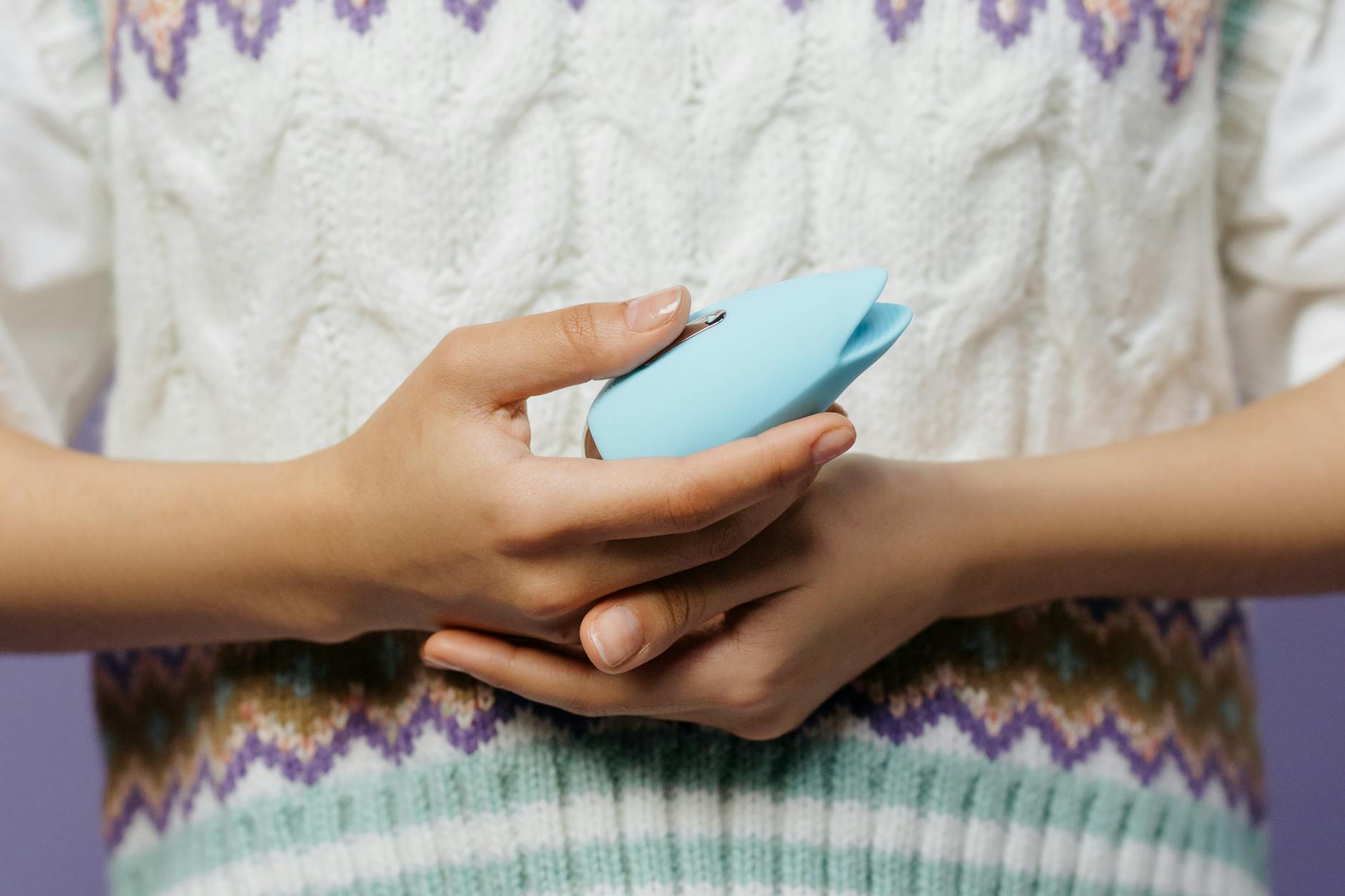
Why Lemon Vibrators Feel Different After Pelvic Floor Dysfunction Recovery
Your pelvic floor heals. Your pleasure doesn't come back the same. Here's what that means, why it happens, and how to rebuild sensation with intention.
If you've been through pelvic floor physical therapy or recovering from dysfunction (painful sex, incontinence, tension), you know the work. Months of breathing exercises, stretches, internal release. It's tedious and often uncomfortable. Then one day someone says, "You're cleared. You're better." But better doesn't feel like you remember.
Your sensation is quieter. Arousal takes longer to build. Orgasms feel smaller or more localized. And if you've been avoiding sex or stimulation during recovery, jumping back in can feel almost like starting over. That's not a sign you failed. It's actually completely normal, and it's also fixable.
I see this pattern in my practice constantly. People hit their pelvic floor recovery checkpoint and expect pleasure to rewind to play. Instead, they need to press record on something new.
Here's the physiology. Your pelvic floor muscles wrap around your urethra, vagina, and rectum. When they're too tight (hypertonic), they restrict blood flow and nerve signaling. When they're too weak (hypotonic), they can't generate the muscular contractions that amplify orgasm. Physical therapy retrains these muscles to be both strong and relaxed.
But retraining is different from restoration. The muscle memory isn't the same as before. Your nervous system has been working around pain or tension for months. Even after healing, it's still a bit cautious.
Additionally, if you've been avoiding touch during recovery, the neural pathways for pleasure have been inactive. Nerves don't forget, but they do go quiet. Reactivating them takes time and the right stimulus.
A lem vibrator works differently than a traditional vibrator. Instead of oscillation (back-and-forth movement), it uses suction and gentle pulsing. That matters here because your pelvic floor needs gentler, more precise stimulation as it's rebuilding sensitivity.
Here's why this works:
The stimulus is localized without being jarring. Suction concentrates sensation on the clitoral complex without the aggressive friction that can feel overwhelming to a healing nervous system. You're not fighting tension. You're inviting response.
The sensation wakes up dormant pathways. After months of avoiding touch, your clitoral nerves need reintroduction. A lem vibrator's suction pattern feels different enough from penetration or pressure that it doesn't trigger the old protective responses your body learned during dysfunction.
It's easier to control intensity. Most lemon clitoral vibrators have multiple patterns and settings. You can start at pattern one, spend two weeks there, then progress. You're not locked into one sensation.
The suction naturally reduces pelvic floor tension. Ironically, many people with hypertonic pelvic floor issues find that certain types of gentle clitoral stimulation actually help them relax the muscles further. It's the opposite of what they feared.
Weeks one through three: Everything feels muted. You might feel nothing on the first attempts. This is normal. Your nervous system is skeptical. Don't push. Use the lowest pattern for ten to fifteen minutes, a few times a week. You're not aiming for orgasm. You're just saying hello to sensation.
Weeks four through eight: Sensation starts showing up, but it's different than before. It might feel concentrated at the clitoral head rather than radiating. Or it might feel more internal than external. This variation is fine. You're mapping new territory.
Weeks nine through twelve: Responsiveness returns. Arousal builds faster. Orgasms start arriving again, though they might feel shaped differently. Some people report they're more localized. Others say they're more intense. Both are common.
After twelve weeks: Most people feel significantly more like themselves, though not identical to pre-dysfunction baseline. That's not failure. That's integration. Your body learned something during recovery. You're not erasing that. You're building on top of it.
Pelvic floor dysfunction comes with a story. For months, maybe longer, your body has been the problem. Sex meant pain or frustration or impossible performance. That narrative doesn't switch off when your physical therapist clears you.
Your brain needs permission to stop bracing. That's a different conversation than the physical recovery.
When you're reintroducing stimulation, especially with a partner, separate the practical plan from the emotional reckoning. "We're going to use a lemon clitoral vibrator on a low setting" is useful information. "I'm terrified this won't work and we'll fight" is the real thing you're carrying. Naming it changes how you approach the recovery.
If you're with a partner, talk about this explicitly. Not during sex. Before. "My sensation might feel different. That doesn't mean something is wrong. It's just where I'm at right now." Partners often assume any change means they did something wrong or you're not attracted to them anymore. You're not. Your nervous system is just recalibrating.
If stimulation feels numb for the first month, you're not broken. You're just still in the cautious phase. Keep going, but don't increase intensity. Low and slow is the whole plan here.
If you have a spike of pain or tension during or after using a lemon vibrator, stop. Not permanently. Just that session. Your pelvic floor might need another week or two of lighter activity. Check in with your pelvic floor physical therapist before changing your approach.
If orgasm feels impossible even after twelve weeks, there's usually something else happening. Medication side effects, hormonal shifts, relationship tension, unprocessed trauma around the dysfunction itself. A lemon clitoral vibrator can't fix those, but a therapist or gynecologist can help you identify what's underneath.
If sensation comes back wildly fast, celebrate quietly. Not everyone needs the full twelve-week ramp. Some people are ready to jump back in after four. Listen to your body, not a timeline.
Start with pattern one at the lowest setting. Press gently against the clitoral head, not into it. You're not trying to create friction. You're inviting sensation.
Spend time with no pressure to come. That sounds counterintuitive after months of avoidance, but orgasm is the least important part right now. You're rebuilding the conversation between your body and pleasure. Orgasm can happen later.
Use a water-based lubricant even if you don't feel like you need it. Healing tissue benefits from extra slip. It also reduces any micro-tension your pelvic floor might create in response to friction.
Keep a simple log. Not for performance, but for awareness. Date, pattern used, how long, how sensation felt. After a few weeks, you'll see the pattern. Most people find their own rhythm once they start tracking.
Wait until you're in a calm state before using a lemon vibrator. Stressed, rushed, or triggered? Skip that day. Your nervous system won't cooperate anyway, and you'll end up with a frustrating session that feels like evidence of failure. It's not. It's just bad timing.
If sensation doesn't start improving after eight weeks of consistent, gentle use, mention it at your next appointment. Sometimes there's an underlying tension pattern nobody caught, or your hormones need a conversation.
If pain returns at any point, pause and reach out. Pain is data. It's telling you something about your pelvic floor's readiness, and you want professional eyes on it.
If you're using a lemon vibrator correctly and still feeling completely disconnected from pleasure, consider whether this is about your pelvic floor or about something else. Relationship issues, depression, unprocessed trauma, hormonal changes. Your body will recover. Your desire might need a different kind of support.
Recovery from pelvic floor dysfunction isn't about returning to baseline. It's about building forward. You'll likely discover that your pleasure landscape looks a bit different now. Maybe you need longer warmup. Maybe certain patterns don't work anymore and new ones do. Maybe what used to take you thirty minutes now takes forty, and that's fine.
That's not damage. That's information. And a lemon clitoral vibrator is a genuinely helpful tool for gathering it, because it lets you explore sensation incrementally, with precision, and without the pressure of performance. Your body doesn't need to prove anything. It just needs time, patience, and the right stimulus to remember what it's capable of.
No. Wait at least one to two weeks after your final PT session. Your pelvic floor needs a true rest window. Once you're cleared by your therapist and you're not in active pain, then you can gently reintroduce clitoral stimulation. Start slow, and expect sensation to feel muted at first.
It can help, but it won't accelerate the timeline dramatically. What it does is provide the right type of stimulus at the right intensity during the relearning window. That makes recovery feel more intentional rather than random. You're not forcing faster results. You're creating the conditions where sensation naturally rebuilds.
Suction stimulation is more precise and less mechanically aggressive than oscillating vibration. It concentrates sensation without the rapid back-and-forth movement that can trigger pelvic floor tension in someone still healing. Oscillating vibrators also tend to feel overwhelming to a desensitized nervous system. Suction feels like an invitation rather than an assault.
Completely normal. Your pelvic floor muscles learned a different pattern during dysfunction and recovery. Even fully healed, they'll contract differently than they did before. Some people report more intense localized orgasms. Others feel less full-body response initially. Over time, most people regain complexity and range, but it takes time.
Yes, before you jump back into partnered sex. Not during. A conversation like, "My body is rebuilding after recovery. Sensation is going to feel different for a while, and that's normal. Here's what helps" transforms the experience from mysterious to collaborative. Partners often assume changes mean something about them. Clarity prevents that.
Most people report significant improvement by twelve weeks of gentle, consistent reintroduction. Full integration, where pleasure feels as complex and intuitive as before, often takes four to six months. But improvement doesn't follow a straight line. You might have a week where everything clicks, then regress slightly. That's not failure. That's normal nervous system recalibration.
If you're struggling with this transition and want support navigating it, reach out to The Lem Shop. We're here to help.