How to Recover Clitoral Sensation With a Lemon Vibrator After Nerve Damage
Numbness from injury, surgery, or nerve compression feels permanent. It often isn't. Here's what actually restores feeling and why lemon clitoral vibrators work differently than traditional options.
Clitoral numbness stops conversations mid-breath. You touch yourself and feel almost nothing. Your partner touches you and the signal doesn't land. The fear is always the same: this is forever.
It usually isn't. Clitoral numbness from nerve damage, surgical trauma, or compression has real causes, and many of them respond to consistent, gentle stimulation. That's where a lemon clitoral vibrator enters the picture differently than you might expect.
The clitoris has roughly 8,000 nerve endings clustered in an area smaller than a pea. That density makes it exquisitely sensitive but also vulnerable. Numbness typically comes from one of five sources.
Surgical trauma. Childbirth, episiotomy repair, or any procedure involving the perineum can bruise or temporarily stun the pudendal nerve, which feeds sensation to the entire vulva. This usually resolves in weeks or months, but sometimes the healing process gets stuck.
Chronic compression. Tight clothing, prolonged pressure during cycling or long sitting, or tension in the pelvic floor muscles can compress nerves and cut off sensation over time. The fix often involves releasing the compression, which is slower than it sounds.
Repetitive friction injury. Masturbation with hard, direct pressure, or use of toys with intense vibration for extended periods can temporarily deaden sensation through overstimulation. Think of it like a too-loud speaker blown out. The nerve isn't damaged; it just stops responding.
Spinal or disc issues. Herniated discs or nerve impingement in the lumbar spine can radiate pain or numbness downward, affecting clitoral sensation. This typically requires medical evaluation.
Hormonal changes. Lower estrogen reduces blood flow and tissue thickness around nerve endings. This often feels like numbness but is really diminished conductivity.
The reason this matters: treatment depends entirely on the cause. If your numbness comes from repetitive overstimulation, you need rest plus gentle reintroduction. If it's from compression, you need release work first. If it's hormonal, you might need topical estrogen alongside anything else.
Most vibrators use simple vibration, which is exactly what got you into trouble if you've numbed yourself through overstimulation. Repeating the same mechanism at lower intensity doesn't wake up the nerve; it just does less of the same thing.
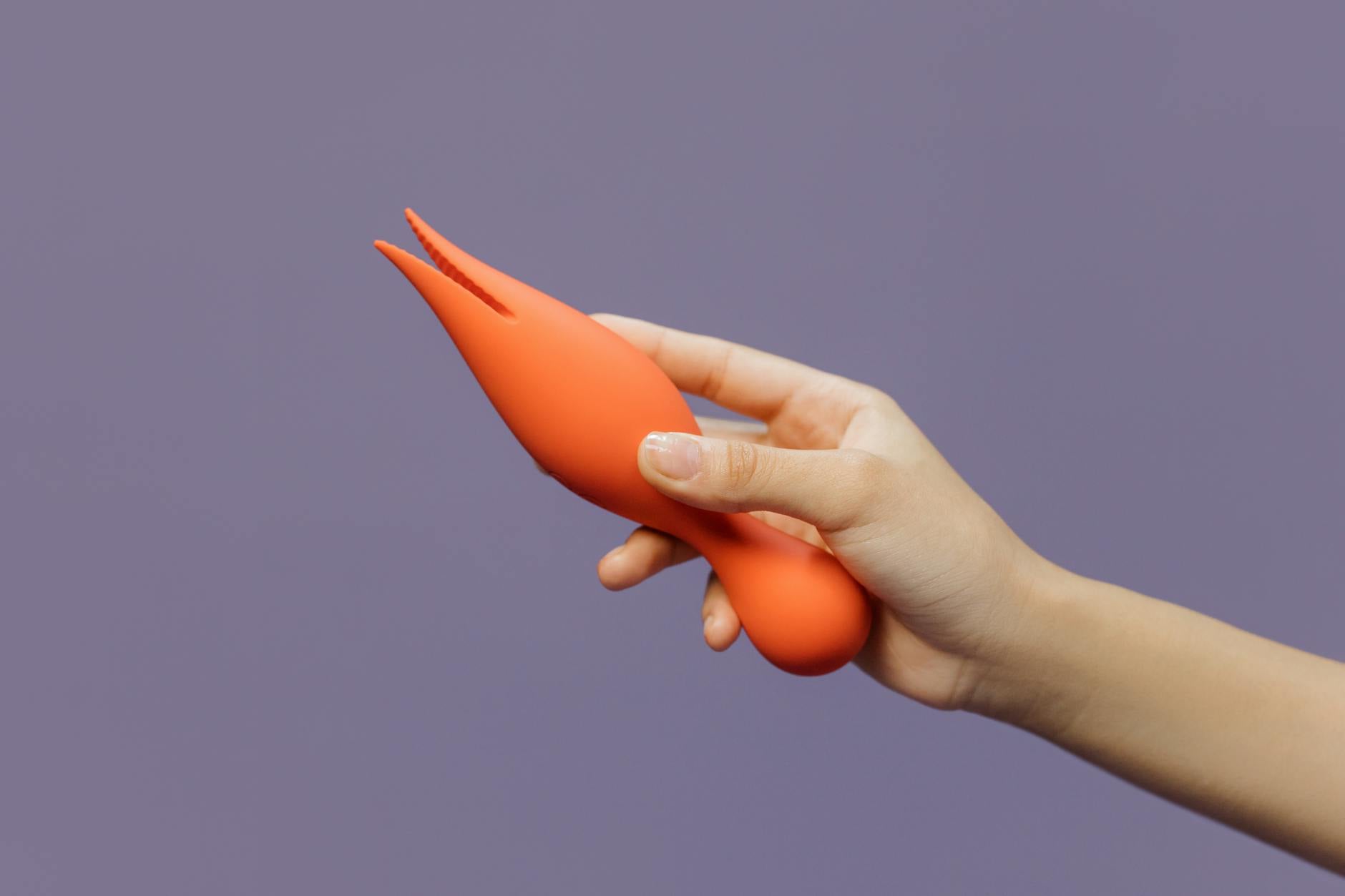
Lemon clitoral vibrators work through suction and gentle pulsing rather than intense vibration. Here's the mechanical difference: suction uses negative pressure to gently draw tissue upward, which increases blood flow and stimulates nerves in a completely different pattern than vibration alone. This pattern change is crucial for recovery.
When a nerve has been overstimulated, it enters a kind of fatigue state. Re-introducing sensation requires novelty. Switching from traditional vibration to suction-based stimulation wakes up the nerve pathway because your brain and body are processing a new input pattern.
Beyond mechanics, lemon adult toys have a gentler entry point. The suction alone, at the lowest setting, creates stimulation that feels present without the aggressive buzz that drove you numb in the first place.
If numbness is your starting point, treat sensation recovery like physical therapy, not like a typical pleasure session.
Week one: sensation mapping. Use the lemon vibrator at pattern 1 (the gentlest suction pulse) for 5-10 minutes, three times a week. The goal is not arousal or orgasm. The goal is to feel something and notice whether sensation changes at all. Keep notes. Does the feeling vary across the clitoris? Is the left side more responsive than the right? Does sensation improve slightly even in this first week?
Weeks two and three: gradual pattern increase. If you felt anything in week one, move to pattern 2. If numbness is total with pattern 1, stay there but add one more session per week. The brain needs repetition to rebuild the neural pathway, which takes about 14-21 days to show measurable change.
Weeks four through eight: consistency over intensity. Most people regain measurable sensation by week four if they're consistent. This is when you can increase from three sessions to four per week, and when you might experiment with patterns 3-4. Do not jump to higher patterns out of impatience. The slow path is the one that sticks.
Month two onward: integration. Once sensation returns, lemon clitoral vibrators can become part of your regular pleasure routine. But the key is remembering what caused the numbness and not returning to it. If overstimulation was the original issue, avoid long sessions at high intensity forever.
Sensation doesn't always come back as a lightning bolt. Most people describe it as a very gradual sharpening. In week two, maybe you notice a slight buzzing feeling where there was nothing. By week four, that becomes a clear pulse you can feel moving. By week eight, the sensation is differentiated. You can feel pressure versus suction versus vibration as distinct sensations.
Orgasm often returns last. This matters because most people panic when pleasure comes back but climax doesn't. Orgasm is a neural event further up the chain. Restoring sensation is the foundation; everything else builds from there.
If you've followed this protocol for eight weeks and feel zero change, or if numbness appeared suddenly without obvious cause, see a pelvic floor physical therapist or gynecologist. Some numbness signals a medical issue that requires hands-on treatment: nerve entrapment, severe pelvic floor tension, or hormonal deficiency that needs topical or systemic treatment.
Also seek help if numbness is accompanied by pain, tingling in other areas, or weakness in your legs. These can indicate spinal involvement that needs imaging and specialist care.
For everyone else, patience genuinely works. Nerves regenerate slowly but reliably. Consistency beats intensity every single time.
Clitoral numbness carries grief. You've lost access to a part of yourself that felt good, and you're not sure it's coming back. That grief is real and worth feeling, but it often makes people either give up too early or push too hard.
The best recovery happens when you can sit with both things at once: genuine disappointment plus genuine hope. Using a lemon clitoral vibrator during recovery isn't about chasing an orgasm you can't feel yet. It's about saying to your body, "I'm here. I'm paying attention. We're going to figure this out together." That stance changes everything.
If you're in a relationship, tell your partner what's happening. You don't need them to fix it or to avoid touch. You need them to understand that sensation recovery takes time and that sometimes the sexiest thing they can do is sit with you while you do the slow work of reconnecting with yourself.
Most people notice measurable change within 4-6 weeks of consistent, gentle stimulation. Full sensation recovery can take 8-12 weeks. Surgical recovery is often longer (3-6 months), while numbness from overstimulation tends to respond faster.
True permanent clitoral numbness from nerve damage is rare. Nerve damage usually means reduced sensation, not total loss. With the right approach, 80-85% of people regain at least partial sensation. Complete, irreversible numbness usually indicates major nerve severance from surgery, which is uncommon.
Gentle use at low intensity actually helps. The stimulation promotes blood flow and rewakes the nerve pathway. What makes numbness worse is aggressive or prolonged high-intensity stimulation, which is the opposite of what you're doing in recovery mode. Start low and stay consistent.
Numbness is the absence of feeling. Low sensation means you can feel something but it's muted or requires more stimulation than it used to. Low sensation often resolves faster than true numbness because the nerve pathway is intact; it just needs blood flow and activation to sharpen. Both respond to the same recovery protocol.
Both work. Solo sessions give you control and let you focus on sensation mapping without performance pressure. Partner sessions add emotional intimacy and a different kind of stimulation (touch, temperature, emotional presence). If you do partner sessions, use the vibrator together rather than having them use it on you. You stay in charge of what feels right.
If your numbness is partly hormonal (which is common post-menopause or on certain birth controls), yes. Topical estrogen can improve blood flow and tissue thickness in weeks. If your numbness is from nerve damage or overstimulation, hormone therapy helps but isn't the primary fix. Discuss this with a gynecologist who understands both hormonal and neurological causes.
Clitoral numbness feels catastrophic in the moment. It isn't. Your body can rebuild sensation if you give it the right conditions: gentle, consistent stimulation; patience; and tools that work with your healing rather than against it.
A lemon clitoral vibrator is one of those tools because it does something different than traditional vibrators. It doesn't replay the pattern that numbed you. It introduces novelty and blood flow in a gentler way.
Start small. Stay consistent. Trust the timeline. Your pleasure is worth the slow work of getting it back. If you have questions about your specific situation or want guidance on your recovery, reach out to The Lem Shop's support team or talk to a pelvic floor specialist who understands both the anatomy and the emotional side of what you're going through.
Your sensation will come home. It just takes time and the right approach.