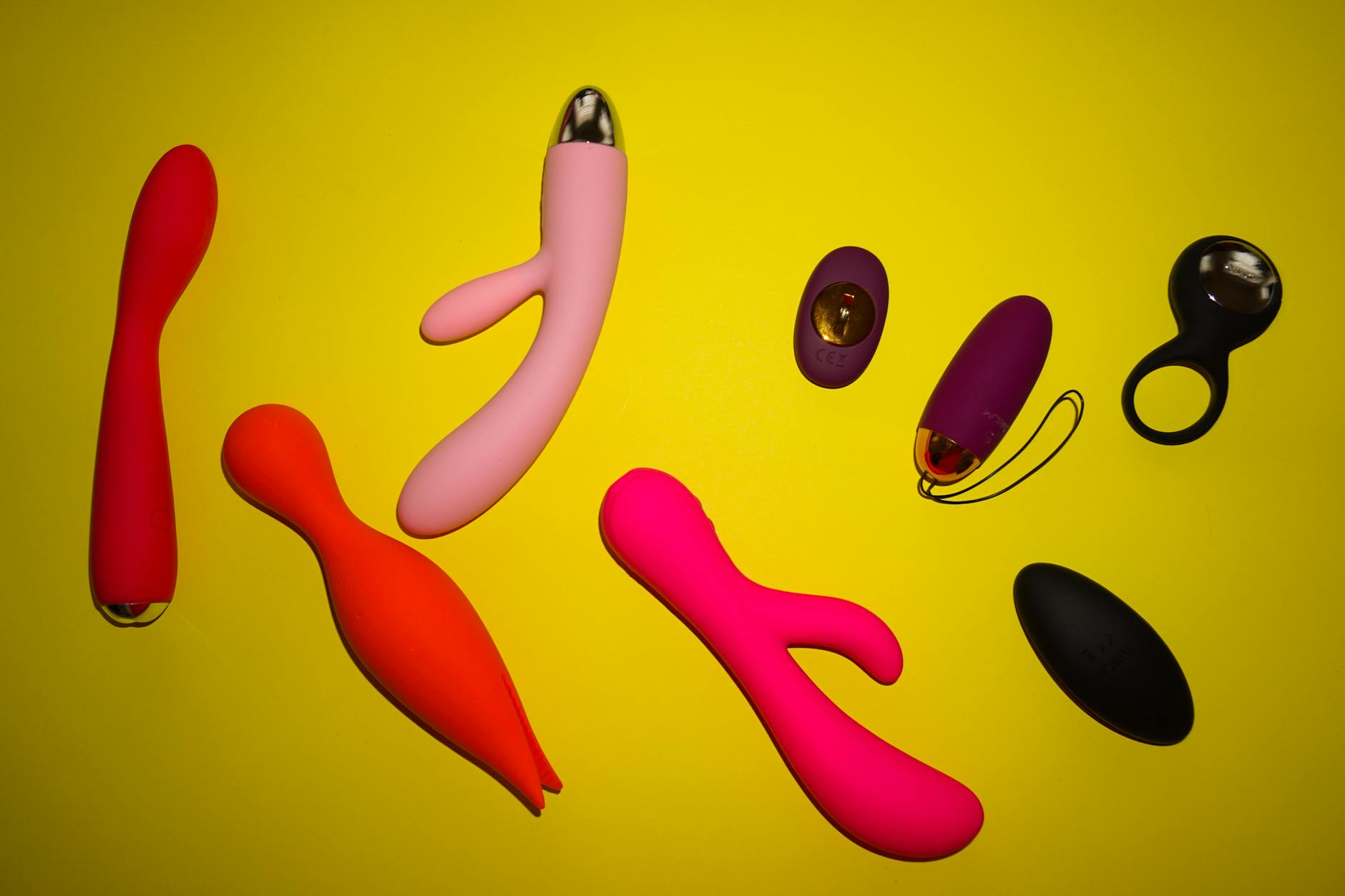
Let's talk about what happens when sex takes a break
A serious illness. Surgery. Recovery protocols that forbid intimacy for weeks or months. Mental health dips that make touch feel impossible. Whatever the reason, when you pause your sex life for longer than a season, your body forgets faster than you'd think. That's not weakness. That's physiology.
Your nervous system recalibrates. Arousal pathways go quiet. Tissue loses elasticity. Most unsettling: the reflex that used to be automatic now needs reintroduction, like meeting someone again after years apart.
Why restarting is harder than starting from scratch
There's a ghost muscle memory involved. Your brain remembers what orgasm feels like but your body has lost the shortcut. This gap creates a strange frustration: you know what you're aiming for, but the route has overgrown.
Research on sexual recovery after illness shows that even minor health interruptions (a two-week infection, a brief hospitalization) can delay arousal by 10 to 20 minutes compared to your pre-illness baseline. Extended breaks of three months or longer sometimes double that lag. For some people, sensitivity shifts permanently. For most, it returns, but only with patient exploration.
There's also the emotional layer. If the health event was traumatic, your body may hold protective tension. If recovery was slow and disheartening, desire got wrapped up in grief and frustration. That's all normal. And that's exactly where a lemon vibrator becomes useful.
Why a lemon vibrator works for reentry
Unlike traditional vibrators, which rely on direct friction to build stimulation, lemon vibrators use gentle suction and pulsation. This matters enormously when you're restarting because you can't always predict how your clitoris will respond.
A lemon vibrator lets you explore sensation without committing to intensity. You can start on the lowest pattern (often called "suction 1" or "pattern 1") and stay there for weeks if you need to. The suction mechanism itself creates a different neural signal than buzzing. Many people find it feels softer, less jarring, easier to feel pleasure through when their nervous system is still cautious.
The other advantage: control. You hold it. You set the rhythm. If your partner is involved, you're the one deciding when to escalate or pause. That agency matters when you're rebuilding trust in your own body.
The first month. Start with zero expectations
When you're cleared by your doctor to resume sex, that's your green light. But your body may not catch up for a while. Set that expectation with yourself and, if you have a partner, with them.
Week one and two: focus on sensation without outcome. Lie down somewhere private, fully clothed or partially. Hold the lemon vibrator against your vulva (outside underwear is fine). Don't aim for orgasm. Don't keep score. Just notice what you feel. Numbness? Tingling? A vague sense that something should be happening but isn't? All of it is information, not failure.
Use the lemon vibrator on the lowest setting for 5 to 10 minutes. If nothing shifts, stop. If something shifts, stay with it. No timer. No achievement unlocked unless it's pleasure, which you'll feel when it arrives.
Many people find it helps to do this once every two or three days, not daily. Daily use can create expectation fatigue, especially early on. You're not trying to "reset" yourself. You're reintroducing your clitoris to stimulation the way you'd reintroduce someone to exercise after surgery: gradually, with rest days built in.
The second month. Introduce variation
Once the first few weeks feel normal (no rush, this could take longer), you can begin moving to pattern 2 or 3 on your lemon vibrator. This is when sensation often deepens. You've given your nervous system time to recognize that pleasure is coming and it's safe.
This is also when you might notice that your arousal response is different from before. Your favorite pattern might not work anymore. Your orgasm might feel softer or take longer. Some people's orgasms become more intense after recovery. Every nervous system rewires differently.
Keep notes if that helps. (I'm serious. Writing down what you noticed helps you track progress and stops you from replaying the same unsuccessful attempts.) Document things like: time of day, stress level that day, how many days since your last use, which pattern, how long you lasted, what you felt, whether you reached orgasm.
That data prevents you from spinning into despair when week three feels like regression. It's not regression. It's information.
Involving a partner (if you have one)
If you share intimacy with someone, this is a conversation, not a surprise. Let them know you're restarting and that you need patience. Some people want their partner present and involved. Others want to rebuild alone first.
There's no right answer. But there are a lot of wrong ways to communicate it. Wrong: "I can't have sex yet, my body's broken." Right: "I'm working on reconnecting with my pleasure. I'd love your presence while I do that, but I need to lead the pacing."
If your partner is involved, ask them to watch without directing. Not "try higher intensity" or "that should work by now." Just presence. Many partners find that permission to simply be there, without problem-solving, actually deepens intimacy faster than trying to rush you back to where you were.
Partner sex can come later. Right now, the goal is your nervous system recognizing that pleasure is available again. Once that's solid, adding someone else's energy becomes easier.
Common stumbling blocks (and what they actually mean)
You reach month three and still haven't had an orgasm. This does not mean you've failed. It means your timeline is longer. Some people need six months to a year to fully rebuild arousal after extended illness. That's not broken. That's normal for extended recovery.
You get aroused but your body feels numb when you're close. This usually means your pelvic floor is holding protective tension. Your body learned to clench during the health crisis and hasn't released the habit. See a pelvic floor physical therapist if this persists beyond two months. It's fixable, often quickly.
You start having orgasms again but they feel different. Duller. Shorter. More internal or more external than before. Your nervous system is literally rewiring how it processes pleasure. This settles down. Some people end up preferring their post-recovery orgasms. Some take months to feel "normal" again. Both are common.
You feel guilt or shame about taking time to restart. This is the most insidious stumbling block because it's invisible. Your body had to pause. Your body didn't betray you. Your body protected you. Now it's learning that safety and pleasure can coexist again. That's not weakness. That's neuroplasticity in action.
The timeline most people follow (and why it varies)
Minor health interruptions (short illness, minor surgery) often resolve in 4 to 8 weeks. Major surgery (gynecological, abdominal, spinal) typically needs 8 to 16 weeks before full pleasure capacity returns. Serious illness can take three months to a year. Mental health recovery, grief, and trauma add unpredictable layers.
Your timeline is your timeline. Comparing yourself to someone else's "got back to normal in six weeks" will only create false urgency. That person's situation was different. Their nervous system was different. Their recovery was different.
What you'll notice when it's actually coming back
Your first sign isn't usually an orgasm. It's anticipation. You'll think about using the lemon vibrator with something like interest instead of obligation. You'll notice texture returning to sensation. You'll feel the difference between patterns instead of them blurring together.
Then you'll notice time passing faster when you're using it. Suddenly you've been at it for 20 minutes and it felt like five. That's arousal waking up, even if orgasm isn't here yet.
Orgasm, when it arrives, might surprise you. It might be small. It might feel different. It might take effort to recognize it as an orgasm at all. That's fine. That's real. Celebrate it without overstating it. Your body is saying: I remember. I'm ready.
Why patience is actually the cheat code
I know the impulse is to push, to "get back to normal" as fast as possible. Your body spent months in recovery mode. It doesn't reset because you're emotionally ready. It resets because you gave it consistent, gentle stimulation without pressure to perform.
A lemon vibrator, with its gentleness and control, is nearly perfect for this. You're not forcing sensation. You're inviting it back. There's a meaningful difference.
People also ask
How long should I wait after surgery before using a lemon vibrator?
Always get clearance from your surgeon first. Most give the okay for external stimulation at six to eight weeks post-op (internal stimulation or penetration typically takes longer). Start gently. You may have scar tissue, swelling, or sensitivity that needs extra patience. Listen to your body's signals, not your timeline.
Can using a lemon vibrator too early delay my recovery?
If your surgeon cleared you, light use on the lowest setting won't delay healing. But aggressive use or pushing past discomfort can. The rule: if it hurts beyond mild sensation, stop. Discomfort is information that you're not ready yet.
What if I still can't reach orgasm after three months of trying?
This is common and doesn't signal permanent damage. Consider talking to a pelvic floor physical therapist to rule out tension or nerve involvement. If there's no physical cause, a sex therapist or couples counselor trained in recovery can help you work through any emotional blocks. Some people need professional support to cross this bridge, and that's smart, not shameful.
Should my partner be involved in this process?
That's entirely your call. Some people prefer to rebuild alone first, others find partner presence reassuring. What matters: your partner isn't directing the process or pushing timelines. If your partner feels hurt or rejected, that's a separate conversation to have (possibly with a therapist). Your pleasure recovery isn't their emergency to fix.
How do I know when I'm ready to transition back to partnered sex?
When you've had consistent, repeatable orgasms alone for at least two weeks. When the idea of partnered touch feels inviting rather than anxious. When you trust your body enough to guide someone else. There's no universal timeline. Some people reach this in three months. Others need six to a year. Both are normal.
What if the lemon vibrator doesn't feel like anything at first?
Your nerves may need more time to wake up, especially if illness or medication affected sensation. Start with short sessions, keep consistent rhythm, and be patient. Many people feel nothing for weeks, then sensation suddenly returns. It's not broken. It's rebooting. If numbness persists beyond three months, mention it to your doctor. Some medical conditions or medications do affect sensation, and your doctor can help troubleshoot.
Your body is far more resilient than you think right now. It survived something hard. Now it's relearning that pleasure and safety can coexist. That takes time. A lemon vibrator is just a tool to make that conversation with your body a little gentler. The real work is patience, and you've already proven you're capable of that.
When you're ready to restart your pleasure life, we're here. The Lem Shop has the tools. You have the timeline. Trust both.