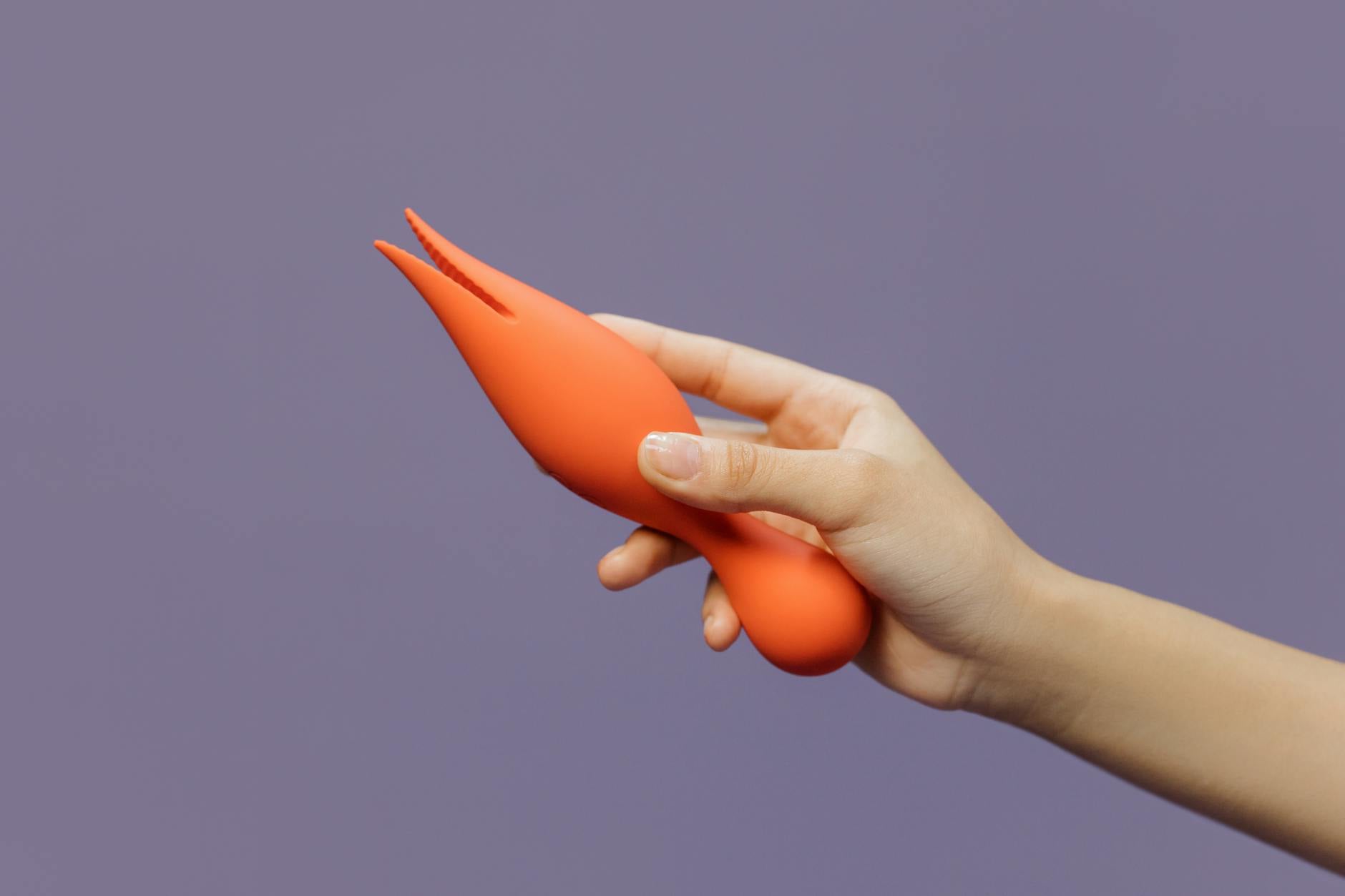
How to Use a Lemon Vibrator When Your Partner Dismisses Your Pleasure Needs
Your partner thinks a toy means they're failing you. It doesn't. Here's how to have the conversation that actually matters, and why a lemon clitoral vibrator can rebuild intimacy instead of threatening it.
Let's be real. The moment you mention wanting to bring a toy into the bedroom, some partners shut down. They hear "I want a lemon vibrator" as "You're not enough." They hear "clitoral vibrator" as a quiet verdict on their performance. And that defensive reaction. That's not about the toy. That's about what they think the toy means.
Here's the thing though. A lemon vibrator isn't a replacement for your partner. It's a tool for your nervous system. And the distinction between those two ideas is the entire conversation.
Most resistance isn't malice. It's fear wrapped in pride. Your partner might be thinking any of these things:
If I can't get you there alone, what does that say about me?
Is this a sign you're not satisfied with us?
Will this become a crutch? Will you stop being interested in me?
Won't this make sex feel less intimate?
These are real worries, even if they're not true. And here's what's happening underneath. Your partner has probably absorbed decades of cultural messaging that male pleasure should be sufficient, that good lovers don't need tools, that wanting a vibrator is a comment on them. That's a heavy load of shame he didn't ask to carry. Your job isn't to fix that, but it's worth understanding it before you try to move forward.
Meanwhile, you're sitting with your own need. Orgasms from penetration alone don't happen for most people with vulvas. Clitoral stimulation is the baseline for consistent pleasure. A lemon clitoral vibrator like those from The Lem Shop works with your anatomy in ways no hand can match. This isn't about your partner. It's about your body.
Separate the story from the fact. The fact is you want better orgasms. The story your partner is telling himself is that this is about his inadequacy. You need to address them differently.
Start here: "I want to talk about something that matters to me, and I need you to hear it as something about me, not about you."
Then, be specific. Not "I want a vibrator." Instead: "My body needs more direct clitoral pressure than anything you can do with your hands. That's not a flaw in you. That's just anatomy. And I want to experience more pleasure during sex, which actually makes it better for both of us."
This reframe does three things. It makes it about your neurology, not his performance. It makes the toy a collaborator, not a competitor. And it positions pleasure as something you both want, not something he's failing to provide.
Then pause. Let him ask questions. Don't fill the silence.
Honest answer: Maybe. Most people do. And that's okay. You know how some people need coffee to function? This is similar. It's not a character flaw. It's how your body works.
He might say: "Does this mean you don't want me?"
No. It means you want pleasure. Those are different things. A lemon sucker vibrator works beautifully alongside partnered sex. You're not choosing the toy over him. You're choosing your body's pleasure, which he gets to be part of.
He might say: "I feel like I'm being replaced."
This one needs direct reassurance. "You're not being replaced. You're being included in something that makes me feel good. That benefits both of us." And then actually demonstrate that. Use the lemon vibrator together. Let him see it in action. Let him understand that it's enhancing what you do together, not substituting for it.
What partners often don't realize until they see it: watching someone experience genuine pleasure is hot. The shame disappears once he understands you're not critiquing him. You're just meeting your own needs.
Start small. The first time you introduce a lemon vibrator into partnered sex, don't make it a whole production. You're not performing a reveal. You're just bringing it into the room the way you'd bring lube.
One approach: use it on yourself while he's inside you. You get the clitoral stimulation you need. He gets to feel you come. Nobody loses.
Another: let him use it on you. Handing over control sometimes softens the defensiveness. He's not being replaced. He's trying something new with you. That shift in agency can change how he experiences it.
Start with lower settings if you're trying it together. A lemon clitoral vibrator on pattern one feels very different from full intensity. It gives you both space to adjust without either of you feeling overwhelmed.
Here's what I've seen happen in my practice: once partners actually experience how much pleasure the lemon vibrator creates, the resistance evaporates. Watching someone you care about lose themselves in genuine orgasm rewires the entire narrative. It stops being about inadequacy and becomes about yes, that's what I wanted for you.
There's often something larger here. If your partner is dismissing your pleasure needs with a vibrator, he might be dismissing them in other ways too. Does he believe your orgasms matter? Does he think about your satisfaction unprompted, or do you have to ask? Is pleasure something he wants for you, or something he tolerates?
A lemon vibrator won't fix a relationship that doesn't prioritize your pleasure in general. The toy is just the visible version of a larger question: are your needs legitimate in this relationship?
If you're dealing with a partner who consistently dismisses what you want, who makes your pleasure about his ego rather than your wellbeing, that's worth examining. A conversation about introducing a clitoral vibrator can actually be a useful test. How does he respond? Does he listen? Does he ask questions? Does he care about your experience? Or does he shut down and make it about himself?
If it's the latter, the vibrator isn't the issue. The relationship dynamic is.
Once he adjusts to the idea, a lemon sucker vibrator becomes part of your regular intimacy. It's not exotic. It's just what you use. Like lube. Like positions that work for both of you.
The best partners are the ones who ask: "Do you want the vibrator today?" The ones who see it as just another tool in the pleasure toolkit. They understand that your body has specific needs, and they're invested in meeting them.
For your part, keep communicating. Tell him when it feels good. Let him see what you experience. Bring him into the sensation rather than treating it as a solo moment. Use it while you're touching him. Create pleasure that's shared, even if the vibrator is focused on you.
Here's what matters: your pleasure is not negotiable. A lemon vibrator from The Lem Shop isn't a luxury or a luxury. It's a tool for experiencing your own body fully. If your partner can't get there, that's something to explore together. But you don't have to abandon your needs to make him comfortable.
If conversations keep stalling, if he refuses to engage or becomes angry, that's worth bringing to a couples therapist. Not because the vibrator is the problem, but because the dismissal is. A good therapist helps you both understand what's underneath. Often, it's about control or fear of intimacy, not about the actual toy.
Pleasure in relationships matters. Your pleasure matters. A lemon clitoral vibrator is just the beginning of honoring what your body actually needs. And a partner worth keeping will eventually get there.
Probably at first. That's not because the vibrator is inherently threatening. It's because we've built a culture where male pleasure is assumed sufficient and female pleasure is considered optional. A good conversation reframes it as a physiological need, not a referendum on his performance. Most partners relax once they understand their role hasn't changed. You're just adding something your body needs.
Lead with what you want, not what you lack. Instead of "I'm not satisfied," try "I want to experience more pleasure." Then be direct about the mechanics. Clitoral stimulation works differently than penetration. You want both. It's not either/or. This framing makes it about your body's design, not your relationship's failure.
Absolutely. Some people find that hot. Some don't. Communicate beforehand about what you're comfortable with. You're not performing. You're experiencing something. If he wants to be present, great. If he'd rather step back, that's also fine. The point is your pleasure, not his entertainment.
That's a relationship question, not a vibrator question. You're allowed to have needs. If he can't respect that, that's information about the relationship. A toy doesn't create that dynamic. It just brings it to the surface. You might benefit from couples counseling or from reconsidering whether this partnership prioritizes your wellbeing.
As often as feels right to you. There's no schedule. Some people use it every time. Some use it sometimes. What matters is that you're not using it because you feel you have to, and your partner isn't resentful about it. If you're using it constantly because you feel pressure to come, or he's made it a requirement, something's off. The best approach is whatever brings you genuine pleasure without obligation.
No. It means you're taking your pleasure seriously. The healthiest couples I see are the ones who add tools, have conversations, and keep evolving. A vibrator isn't a sign of trouble. Refusal to talk about it, or resentment about it, is.
Your pleasure isn't selfish. It's not a commentary on your partner. And a lemon vibrator isn't a replacement for intimacy. It's an enhancement. The conversation might feel vulnerable. His resistance might sting. But on the other side of that conversation is actually knowing what your body can feel. That's worth the friction.
If you're navigating a relationship where pleasure feels complicated, there's no shame in getting support. That's what I'm here for. Get in touch to talk about what's happening in your relationship, and how to build back toward actual connection.