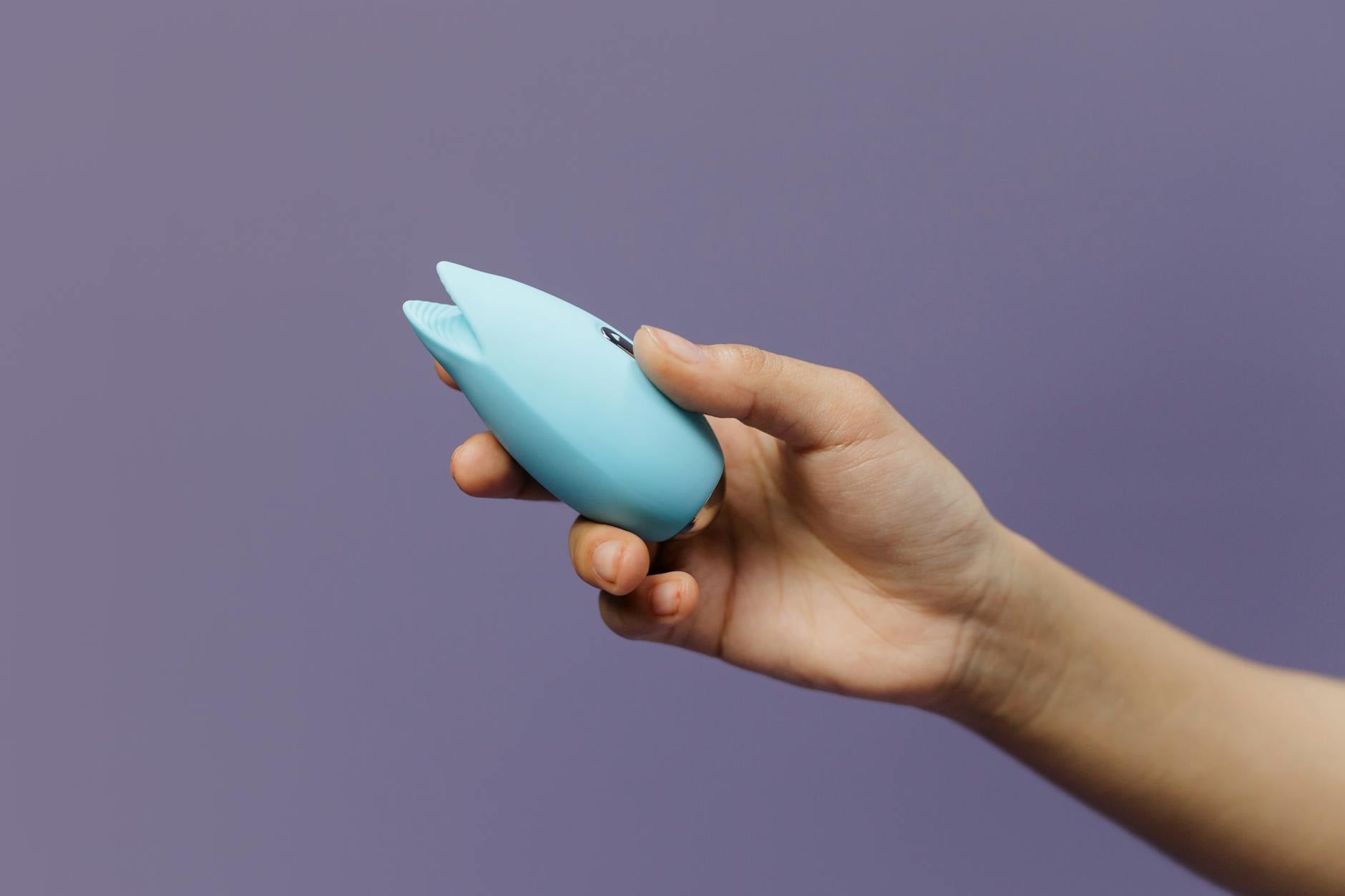
Here's what nobody tells you about arousal timing
Arousal doesn't happen on a schedule. For some people it's quick. For others it's slow. And honestly, slower arousal is way more common than the movies suggest. If you're noticing it takes you longer to warm up than it used to, or longer than you'd like, you're not alone.
The good news is that once you stop fighting your actual timing and start working with it, everything changes. A lemon vibrator is basically designed for this exact situation.
Why arousal sometimes slows down
There are about a dozen reasons why warmup might take longer. Stress compresses arousal like nothing else. A new medication can change your baseline. Age shifts things (sometimes slower, sometimes actually faster). Relationship dynamics matter too. Hormonal shifts flatten the accelerator. And sometimes it's just a phase your body cycles through.
The pattern that matters most: noticing that your old shortcuts don't work anymore. You used to get there in five minutes and now it's twenty. Or you used to be able to jump straight to intensity and now you need gentle first.
That's not a problem. That's information.
Why suction changes the timeline
A lemon vibrator uses air-pulsing suction instead of vibration. This matters for slower arousal because suction stimulates a much wider range of nerve endings than a traditional vibrator does. Instead of focusing on one point of sensation, suction creates a gentle pulling sensation that builds gradually.
For people whose arousal ramps up slowly, this shift away from direct friction to wider, gentler stimulation can actually accelerate the whole process. Not because it's "more powerful," but because it's hitting the right receptors in the right way.
One of my clients described it like this: "With a regular vibrator I'm chasing the feeling. With the Lem I'm waiting for it to find me." That passive quality is exactly what slower-to-arouse bodies often need.
The extended foreplay approach that actually works
When arousal takes longer, the instinct is usually to push harder. Turn up the intensity, add more stimulation, rush the process. This almost always backfires because it just shifts the pressure inward instead of relieving it.
Instead, try this structure:
Minutes 1-5: Exploration mode. Hold the lemon vibrator on low (pattern 1 or 2) and move it around your entire vulva, not fixating on the clitoris yet. The goal is sensation, not arousal. This primes your nervous system without demanding anything of it.
Minutes 5-15: Building focus. Settle into patterns 2 or 3 on the areas that feel promising. Don't rush to increase intensity. Let each pattern work for 2-3 minutes. Your body will tell you when it's ready for more.
Minutes 15-25: Deepening. Now intensity starts increasing if you want it. But notice that you've already been stimulating for ten minutes. The arousal curve has changed completely.
The reason this works: you're not fighting your timeline. You're matching it. Most people who think they have a arousal problem actually just skipped the first 10 minutes of their own process.
Mental space matters more than you think
Here's something that doesn't get said enough. Slower arousal almost always has a mental component. Your brain might be one step behind your body. You might be thinking about that email, or worrying about how long this is taking, or tensing because "I should be ready by now."
When you're using a lemon vibrator and you notice arousal isn't building, pause for five seconds and ask yourself what you're actually thinking about. If it's not erotic, gently redirect. Not with force. Just notice, and let it go.
Some people find that setting a specific amount of time helps. "I'm giving myself 25 minutes for foreplay, no clock-watching." The permission itself softens the urgency.
The solo practice that changes everything
If slower arousal is new for you, or if you're trying to figure out your actual timeline without pressure, solo sessions are incredibly valuable. There's no performance aspect. No partner timing. Just you and your body learning what you actually respond to.
Use those sessions to map your arousal curve. What patterns on the lemon feel best at different stages. Whether you prefer starting with low intensity or medium. Whether you want direct clitoral contact or broader stimulation first. Whether your body responds better to consistent pressure or building pulses.
That information becomes useful data when you're with a partner too. You can say "I usually need about 15 minutes of gentle foreplay" instead of "I'm slow" or "I'm broken."
Talking to a partner when your timeline shifted
This is the part where a lot of couples get stuck. If arousal slowness is new, a partner might interpret it as "you're not into me anymore." It's not. It's just your body's tempo shifting.
The conversation is simpler if you frame it practically. "My arousal takes longer to build these days. Here's what helps." Then offer specific information. Not "I need more foreplay" (vague, defensive) but "fifteen minutes of gentle touch on the lemon, then we move into anything else" (specific, actionable).
For partners who are also slower, this is often a relief. For partners who are quick to arouse, it's information they can work with. Either way, the conversation stops being about why and becomes about how.
Medications and arousal timing
If your arousal slowdown coincided with starting a new medication, that's worth mentioning to whoever prescribed it. Some SSRIs and other drugs genuinely affect arousal speed even when they don't kill desire entirely.
That doesn't mean stopping the medication. But it might mean trying a different one, adjusting timing, or adding a strategy. A good doctor will have had this conversation before. If yours seems uncomfortable talking about sex, find one who isn't.
The patience piece
Slower arousal usually shows up right when we're least patient. We're busy. We have limited time for sex. The last thing we want is a body that takes longer.
And yet, once you stop fighting it, slower arousal often brings something else with it. Deeper sensation. More control. Better orgasms because you're actually fully warmed up instead of chasing sensation you don't quite have.
Arousal on your timeline isn't a compromise. It's actually the most direct route to pleasure that works for your body.
A lemon clitoral vibrator is built for exactly this journey. The suction doesn't demand intensity from the start. The patterns let you build gradually. The wider stimulation catches arousal as it's building instead of demanding it arrive on schedule.
FAQ: Arousal timing and lemon vibrators
How long should foreplay actually take?
There's no "should." The research suggests that slower warm-up typically takes 10-20 minutes for people with vulvas. Faster might be 3-5. Yours might be 25 or 30. The timeline that works for your body is the correct timeline. A lemon vibrator lets you extend warmup without it feeling tedious because the suction stays engaging the whole way.
Is it normal for arousal to get slower as you age?
Yes and no. Some people notice slower arousal in their 40s or 50s, especially if hormones shift. Others find it stays the same or even gets faster because they're less in their head. The consistency matters more than the age. If your timeline shifted, it shifted. Work with what you have.
Can you use a lemon vibrator during the slow-arousal phase?
Absolutely. That's actually when it shines. Starting on patterns 1 or 2 during foreplay, then building intensity as arousal builds, mirrors your actual arousal curve instead of forcing it. Some people use a lemon vibrator for the full 20 minutes of warmup and never change patterns. Others use it as the final step after manual warmup.
What if arousal still doesn't build even with more time?
Then you're probably fighting something else. Stress, resentment, disconnection, medication, or just needing different stimulation entirely. A lemon vibrator helps once arousal is starting to build. It doesn't create arousal out of nothing. If nothing is working, it might be time to check in with a partner or a therapist about what's underneath.
Does slower arousal mean you'll have a slower orgasm too?
Not necessarily. Some people warm up slowly but orgasm quickly once they're there. Others are slow both ways. The lemon vibrator's suction actually helps because once you're fully aroused, the pulses can intensify rapidly without numbing your tissue. It's responsive to your pace rather than locked into one speed.
Is it okay to use a lemon vibrator every time you have sex if arousal is slow?
Yes, if that's what works. Some people integrate a clitoral vibrator into every encounter because it matches their timeline. Others use it sometimes and not others depending on how they're feeling. There's no quota or "correct" frequency. If it helps, use it.
The real skill here
The most valuable thing you can learn from slower arousal isn't a technique. It's listening to your body instead of arguing with it. A lemon vibrator is just a tool that makes that listening easier because it adapts to your actual pace instead of forcing you into someone else's speed.
Your arousal timeline is not a flaw. It's just information about how your body works. Use that information. Build your sex life around it. And give yourself the time you actually need.
Have questions about how arousal timing affects using a lemon clitoral vibrator? We're here. Head to the contact page and let's talk through what might work for your body.