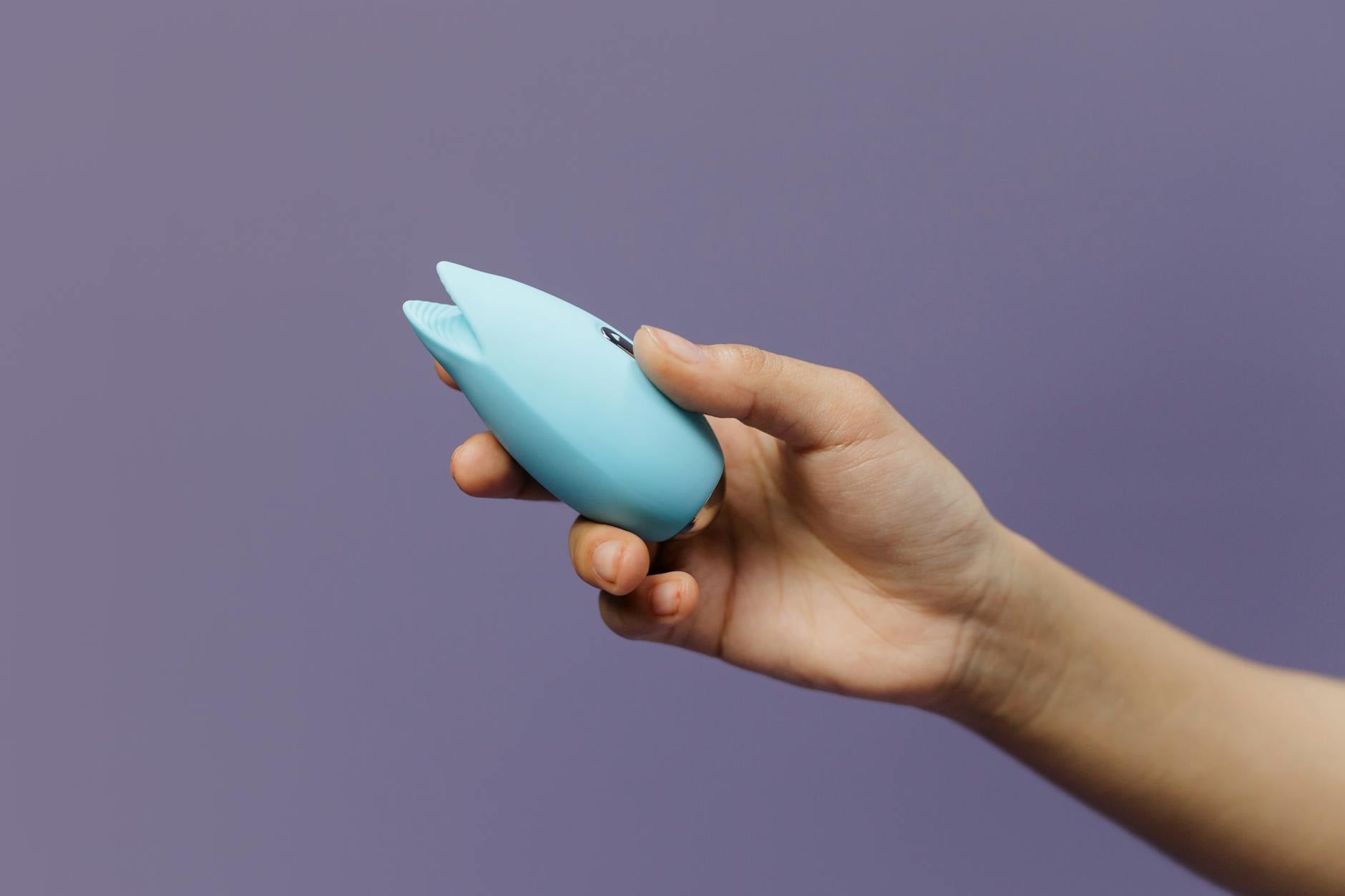
How to Use a Lemon Vibrator During Early Menopause When Lubrication Changes
Your body is changing. Your pleasure isn't. Here's the exact adjustment you need to make with a clitoral vibrator when hormones shift and natural lubrication decreases.
Your vagina isn't broken. It's changing. That distinction matters because the moment you notice less natural lubrication during perimenopause or early menopause, the instinct is to panic. But this is normal. It happens to almost everyone with a clitoris as estrogen begins to shift. And it doesn't mean your pleasure is ending. It means you need a different approach.
The good news: clitoral vibrators like the Lem work brilliantly during this transition because they don't require the same level of natural lubrication that friction-based stimulation does. Suction technology bypasses the whole lubrication issue entirely. But there are specific adjustments you need to make to feel good.
Estrogen does something most people don't realize. It thickens the vaginal tissue and keeps the glands that produce lubrication firing. When estrogen starts declining in perimenopause, both things happen at once. The tissue gets thinner. The glands produce less fluid. Your body is literally changing its physical structure, and that's not a failure. It's a transition.
This usually starts happening 4 to 10 years before your last period, which means perimenopause can sneak up on you. You might be 40 and suddenly notice that what always worked feels different. That's not unusual. It's not a sign that your body is broken.
The clitoris itself doesn't change much. It still has the same nerve endings. It still responds to stimulation. What changes is the tissue around it and the ease with which your body produces lubrication on demand. Understanding this difference is the key to adjusting your approach.
A clitoral vibrator like the Lem uses gentle suction and pulsing patterns instead of direct vibration or friction. This matters because suction stimulates the clitoris without requiring you to have a pool of natural lubrication available. You're not sliding anything back and forth. You're creating a seal and letting the device do the work.
Here's what this means in practice. With traditional vibrators, reduced lubrication means increased friction, which can feel uncomfortable or lead to irritation. With a Lem vibrator, reduced lubrication changes almost nothing about the sensation. The suction creates its own seal. Your tissues don't dry out during use the way they might with a vibrator that relies on friction.
That said, you'll still want external lubrication. Not because you're broken, but because adding a water-based lube improves the seal and makes everything feel better. Think of it as optional comfort, not a failure of your body.
Use water-based lubricant. Full stop. Not silicone, not oil-based. Water-based lubricants are compatible with the Lem and won't degrade the silicone over time the way silicone lubes can. Brands like Sliquid, Hyalo Gyn, or even basic drugstore water-based lubes work fine.
Apply it in a thin layer around the labia and clitoris before you start. You don't need much. A dime-sized amount spread across the area is enough. The goal is to create a better seal and reduce any friction between the device and your skin. If you're using the Lem, the suction will handle most of the work, so you're not looking for an ocean of lube. Just enough to ease things along.
Keep the lube within reach. During use, if things feel dry or uncomfortable, add a tiny bit more. You'll learn your rhythm quickly. Some people need a fresh application partway through a session. Others don't. Everyone is different.
When everything feels brand new, start conservatively. Begin at pattern 1 or 2 on the Lem. Your tissue is thinner than it used to be, which means it's also more sensitive to intensity. What felt gentle six months ago might feel intense now. That's not bad. It just means you're learning a new baseline.
Warm up properly. Spend 5 to 10 minutes exploring what feels good at low intensity before you increase anything. Your arousal might also take longer to build, which is completely normal in perimenopause and early menopause. Budget more time. Give your body space to wake up.
Once you've warmed up, gradually increase to patterns 3 or 4 if that feels right. The beauty of a Lem vibrator is that you have options. You're not locked into one speed or sensation. You can adjust as you go.
Many people find that they prefer lower intensity patterns during this transition. That's fine. Your pleasure doesn't depend on going to the highest setting. It depends on finding what actually feels good in your body right now.
Your pelvic floor muscles are also getting less estrogen support. This can mean they tighten without your permission, which changes how orgasms feel and can make penetration uncomfortable. With a clitoral vibrator, you don't have penetration, so that's less of an issue. But the pelvic floor tightening can still affect sensation.
One simple thing helps: before you use the Lem, spend a minute consciously relaxing your pelvic floor. You can do this by breathing deeply and imagining the muscles releasing. Or you can do a few kegels in reverse, where you exhale and actively relax instead of contract. This doesn't have to be perfect. The goal is just to notice and ease any holding tension.
After menopause, many people find that pelvic floor relaxation actually improves orgasm intensity. The tension that was there before was often anxiety or habit, not something you needed. Releasing it can feel revelatory.
Sometimes you start a session feeling okay and halfway through, things feel dry. This happens because your body's natural lubrication system has changed. You're not producing fluid on demand the way you used to. That's normal. It's also easy to fix.
Keep your lube close. Apply a little more without stopping. The Lem is waterproof and compatible with water-based lubes, so pausing for a moment to add more doesn't interrupt anything.
Alternatively, some people find that extended warm-up time helps. The longer you spend at lower intensities, the more likely your body is to produce some natural lubrication. Everyone is different. If you warm up for 15 minutes and nothing happens, add lube. You're not doing something wrong. You're just working with your body as it is right now.
If you notice persistent dryness even with lube, or if you feel irritation or discomfort, that's worth mentioning to your GP. There's a condition called genitourinary syndrome of menopause, or GSM, which is extremely common and very treatable. A topical estrogen cream can make a huge difference, sometimes within a week.
Here's something hopeful: for many people, after the actual menopause transition (usually 12 months without a period), lubrication does stabilize, even if it's lower than before. Your body finds a new normal. You'll probably always want to use lube with a clitoral vibrator now, and that's fine. Lots of people do, regardless of menopause status.
Some people report that their orgasms actually feel more intense after menopause than they did before. This might sound counterintuitive, but it's real. The mental relief of not managing hormonal cycles, the freedom from fertility anxiety, and the permission to explore your own pleasure without distraction can create a shift that outweighs the physical changes.
You're not losing pleasure in menopause. You're renegotiating it. And a Lem vibrator is actually an ideal tool for that renegotiation because it works with your body's changes instead of against them.
If you have a partner, this is a good moment to loop them in. "My body is changing, and I need more lube" is not a problem statement. It's just information. It takes the pressure off both of you and turns an awkward silence into a practical conversation.
You might also want to explore the Lem together. Suction-based stimulation feels different than what many partners are used to, and trying it together can be a way of saying, "I want to figure this out with you, and I need your patience."
If you're single, none of this matters. You're doing this for you. The lube adjustment is self-care, not compromise.
Here's the piece that matters more than the tactics: early menopause often arrives with a story. "My body is betraying me." "I'm losing my sexuality." "This is the beginning of the end." Those stories are completely understandable. And they're also not true.
Your body is changing. That's it. Not failing. Not ending. Changing. The Lem vibrator, paired with lube and a few small adjustments, works beautifully during this transition. You still feel pleasure. You still orgasm. You still deserve attention and care.
Many people say that discovering clitoral vibrators during perimenopause or early menopause was the best thing that could have happened to them. Not because their body broke and they needed a workaround. But because the shift forced them to pay attention to their own pleasure in a way they hadn't before.
No. Silicone lubricants can degrade silicone toys over time. Stick to water-based lubes. They're compatible with the Lem and actually give you better control over how much you're using.
Technically yes, because the suction creates a seal without relying on natural lubrication. But adding a thin layer of water-based lube makes the experience more comfortable and improves the seal. It's optional, but recommended.
No. Water-based lube actually improves sensation by making the seal better and reducing any friction discomfort. You're not numbing anything. You're optimizing.
Most people notice they're comfortable within 2 to 4 uses. Start at lower patterns, give yourself permission to warm up longer, and pay attention to what feels good. Your body will tell you what it needs.
Yes. If water-based lube helps but doesn't fully solve the problem, or if you feel pain or irritation, mention it to your GP. Genitourinary syndrome of menopause is real and highly treatable. Topical estrogen creams are a game-changer for many people.
Yes, temporarily. They might feel different during the transition, sometimes less intense initially. But many people report that orgasms return to their baseline within a few months, and some feel they become more intense. Be patient with the change.
Early menopause is not the end of pleasure. It's a recalibration. Your body is asking you to pay more attention, to use lube, to slow down, and to be patient. Those aren't losses. They're actually invitations to know yourself better. And a Lem vibrator is a tool that works beautifully within this new reality. You deserve pleasure, now and always.