How Lemon Vibrators Help When You Have Reduced Clitoral Sensitivity From Aging
Your clitoris doesn't lose capacity for pleasure as you age. It loses surface blood flow and nerve responsiveness. Here's what actually changes and why suction-based tools like the Lem work better than traditional vibrators.
Let's be real: at 40, 50, or 60, your clitoris doesn't work the same way it did at 25. You might have noticed it takes longer to get aroused, or the same patterns that used to work now feel distant, muted, or like you're chasing a sensation that's slipping away. That's not psychological. It's not "all in your head." It's physiology.
As we age, blood flow to the genital tissue decreases. The clitoral bulbs lose volume. Nerve endings become less responsive to direct vibration. And the connective tissue around the clitoris loses elasticity, which changes how stimulation travels through the structure. These shifts are normal, measurable, and deeply frustrating.
Here's the part most people don't know: reduced sensitivity doesn't mean reduced capacity for pleasure. It means you need a different tool.
Most vibrators work through repetitive mechanical vibration. They press against the clitoris and oscillate at a set frequency. For younger bodies with higher nerve density and better clitoral blood flow, this works beautifully.
But as sensitivity declines, vibration alone becomes one of two problems.
First, you need more vibration to reach threshold. You crank up the intensity, which feels numb and exhausting. Second, direct vibration can actually fatten the neural pathways from overstimulation, which sounds counterintuitive but happens: when you ask a nerve to fire the same way repeatedly, it adapts. It becomes less responsive, not more.
That's the desensitization spiral. More intensity. Fewer results. Frustration.
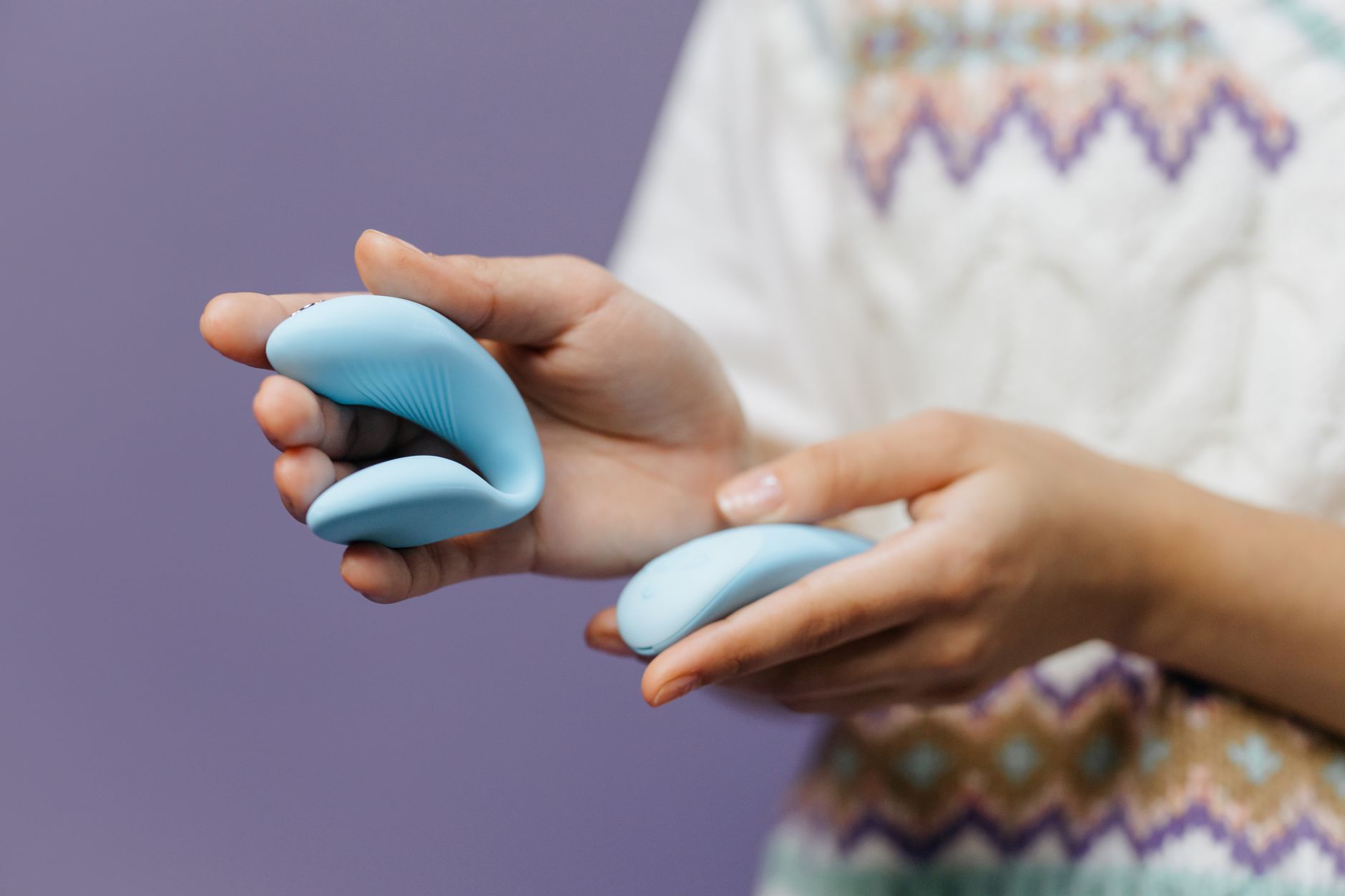
Suction works differently. Instead of pressing and vibrating against the clitoris, a suction-based lemon vibrator like The Lem creates a gentle seal and rhythmic pressure changes that draw blood into the clitoral tissue while stimulating the nerve network. You're not fighting against declining sensation. You're working with the aging clitoris's actual needs.
Three things happen:
Increased local blood flow. Suction actively brings blood into the clitoral region, which directly counters the age-related reduction in circulation. More blood means better tissue responsiveness and more sensation.
Broader nerve stimulation. The lemon vibrator's pattern activates a larger area of the clitoral structure, not just the surface nerves. For an aging body, this distributed approach is often more effective than a single-point vibrator.
Lower entry-level intensity. Because suction is mechanically more efficient, you feel results at much lower intensities than with traditional vibrators. Intensity levels 1 and 2 on The Lem often deliver more sensation than level 5 on a standard vibrator.
Your clitoris is much larger than you think. The visible part is just the glans. The body extends internally as two bulbs, and the whole structure has a complex nerve supply from the pudendal and pelvic nerves. Most of that internal structure isn't sensitive to surface vibration at all. It responds to pressure, stretch, and indirect stimulation.
Suction engages that internal anatomy. As you age and surface sensation declines, accessing those deeper nerve pathways becomes your actual entry point to reliable orgasm.
This is why so many people report that suction-based lemon clitoral vibrators work better when they've lost sensitivity from aging. It's not magic. It's anatomy meeting physiology meeting the right technology.
If reduced sensitivity from aging is your main issue, here's what typically happens when you switch to a suction-based approach.
Days 1-3 might feel underwhelming. You're used to the feeling of direct vibration even if it wasn't working. Suction feels different. Softer. Less obvious. That's actually the sign it's working.
By day 4 or 5, most people notice they can feel results at lower intensities without the numb, overstimulated sensation. You're not chasing the vibration. You're having a conversation with it.
Within two weeks, many report that the intensity ramp works again. Level 2 feels like level 2. Level 4 feels like level 4. You're back in control instead of always reaching for more.
Reduced sensitivity often means longer arousal time. That's not a flaw. It's just the new timeline. What matters is adjusting your expectations and your prep.
With a lemon vibrator, most people find that the warm-up period is still long, but the payoff is more reliable. You're not racing against a fading sensation. You can settle in and let the suction do the work over 15 to 25 minutes without that creeping "am I even feeling this?" doubt.
Many of my clients report that this shift actually improves partnered sex too. Instead of rushing or performance-focused stimulation, there's permission to slow down and explore sensation without pressure.
Here's something I see clinically all the time: reduced sensitivity often arrives alongside relationship stress. A partner might interpret slower arousal as lack of interest. You might interpret their frustration as rejection. Both of you think the issue is emotional when it's actually physiological.
Introducing a lemon vibrator into partnered sex often resets that dynamic. Suddenly, arousal is predictable again. You can reach orgasm without friction, without positioning stress, without the mental load of worrying it won't happen. Your partner sees results. You feel agency.
That's not about the toy. It's about removing the barrier that was creating tension.
Your sensitivity isn't the only thing that changes with age. Three practical adjustments make a major difference.
First: water-based lubricant is your friend. Not because something is wrong with you, but because thinner tissue benefits from it. The lemon vibrator creates its own seal, so you don't need thick lubricant. A thin water-based product is enough and makes the suction feel cleaner.
Second: positioning matters more now. Lying flat works differently than sitting up. Kneeling offers different angles. Your aging clitoris might respond better to one position than another. Spend a week experimenting. What works changes.
Third: give yourself permission for a longer journey. If you hit a plateau, take a break for a day or two. Nerve sensitivity sometimes responds better to intermittent stimulation than daily use. This isn't failure. This is learning your body at this stage of life.
Not all reduced sensitivity comes from aging alone. Some common culprits:
Hormonal birth control can reduce sensation independently of age. If you're on the pill or another hormonal method, that compounds aging-related changes. Worth a conversation with your GP about whether switching methods might help.
Diabetes and cardiovascular issues both reduce blood flow, which accelerates clitoral desensitization. If you have either condition, a lemon vibrator's blood-flow-boosting approach is even more relevant.
Certain medications, especially antidepressants and blood pressure drugs, can reduce sensation. That's a known side effect, not a sign something is broken. A clitoral vibrator designed for reduced sensitivity helps you work around it.
Partners with these conditions often find that switching to a suction-based tool like The Lem is the difference between having reliable orgasms and struggling indefinitely.
Here's what I've observed across decades of relationship work: when someone with reduced sensitivity finally gets reliable results, something shifts mentally. The anxiety of "will this happen?" disappears. That anxiety was real friction. Its absence is real freedom.
That freedom isn't psychological comfort alone. It's physical. When you're not bracing against possible failure, your nervous system relaxes. Your pelvic floor relaxes. Your arousal actually accelerates because you're not fighting against your own anticipatory tension.
A well-chosen lemon vibrator doesn't just solve the sensation problem. It solves the confidence problem that develops when sensation becomes unreliable.
With a lemon vibrator, regular use typically maintains sensitivity or gradually improves it because suction-based stimulation actively increases blood flow to the tissue. Traditional vibrators can contribute to desensitization because intense direct vibration can fatigue nerve pathways. The mechanism is different, so the outcome is different.
Partially, yes. Improved blood flow through suction-based stimulation and increased pelvic floor engagement both help restore some sensation over weeks to months. You won't get your 25-year-old clitoris back, but you can significantly improve responsiveness. Hormonal therapy, if appropriate for you, also helps.
Completely normal. Every person with a clitoris experiences some degree of sensitivity shift with age due to declining blood flow and nerve responsiveness. It's not a symptom of disease or dysfunction. It's an expected physiological change, like any other aging process.
Because a tense pelvic floor actively reduces sensation. When you're braced against expectation or anxiety, the muscles around your clitoris contract, which restricts blood flow and numbs sensation further. Relaxation is a physical precondition for feeling anything. A reliable tool like The Lem removes the psychological tension, which removes the physical tension, which actually restores sensation.
Yes, absolutely. In fact, many people find HRT addresses the hormonal side of reduced sensitivity while a lemon vibrator addresses the immediate mechanical need. They work together. If you're considering HRT, that's a good conversation with your doctor. A clitoral vibrator works alongside it.
Most people notice that intensity feels different and more reliable within a week. Actual improvement in sensation often takes 2 to 4 weeks of regular use as local blood flow increases and you adjust to a new stimulation pattern. Some people see shifts in 3 days. Some take 6 weeks. The timeline is personal.
Aging changes your clitoris. Reduced sensitivity is real, measurable, and deeply frustrating. It is not a life sentence.
The science is clear: when vibration alone stops working, suction-based stimulation like a lemon vibrator is mechanically more effective at engaging your aging clitoral anatomy. It works with your physiology instead of against it.
Your pleasure doesn't have to decline. It just needs the right tool. If you want to explore whether a lemon clitoral vibrator might be the shift you've been looking for, reach out to us or browse our collection to find what feels right for your body.
Your sensitivity matters. Your pleasure matters. And at any age, you deserve reliable access to both.