
When grief changes how your body feels
Honestly, nobody talks about this part. After loss, your body doesn't just feel sad. It feels numb, disconnected, sometimes almost foreign. Touch becomes complicated. Pleasure feels like a betrayal or a luxury you don't deserve. And then one day, you think maybe you're ready to feel something again. That's when everything feels different.
The shift from acute grief to readiness for pleasure is not linear, and it's not instant. Your nervous system has been in protection mode. Your body learned to contract, to guard, to stay small. When you try to reconnect with sensation, you might notice that stimulation feels muted, that arousal comes slower, or that what used to feel amazing now feels a little strange. This is completely normal. And there's a reason lemon clitoral vibrators, with their unique suction-based stimulation, can feel particularly helpful during this transition.
What grief actually does to your nervous system
Grief is a full-body experience. When you're processing loss, your parasympathetic nervous system goes into overdrive. Your blood pressure drops. Blood flow redirects away from extremities and toward your core. Your pelvic floor tightens. You literally contract inward.
This response keeps you functioning during the acute phase. It's protective. But it also means that sensation becomes muted. The same touch that would normally trigger arousal might feel flat. Your clitoris might feel less responsive. Some people describe it as watching their own pleasure from a distance, like they're observing it rather than experiencing it.
What makes this tricky is that it's not about wanting pleasure less. Your desire is still there. Your capacity for sensation is still there. Your nervous system is just processing the world as less safe, and it's directing all your attention inward. That takes time to shift.
Why lemon vibrators work differently in this phase
Traditional vibrators rely on vibration to build sensation. They require you to focus on mounting arousal and intensity. With grief-dulled nerves, this can feel like chasing something that won't come. You end up frustrated, disconnected from your body even more.
Lemon suction vibrators work differently. Instead of demanding that your body escalate to arousal, suction gently awakens the clitoris without requiring sustained buildup. The sensation is pulsing rather than constantly accumulating. This matches grief's rhythm better. You can feel something, rest, feel again. There's no pressure for it to build to a crescendo.
Many clients describe lemon clitoral vibrators as feeling less intrusive and more like a conversation with their body. The suction creates a gentle seal that stimulates nerve endings without the intensity that can feel overwhelming when your nervous system is still fragile. It's enough sensation to know you're alive, without demanding that you feel more than you're ready for.

Photo by cottonbro studio on Pexels
The timeline for reconnecting with pleasure after loss
There's no universal grief timeline, but I've noticed some patterns in how sensation returns. In the first weeks after loss, many people report that any sexual impulse feels impossible. This phase usually lasts anywhere from days to weeks, depending on the relationship to the person you've lost and your personal processing style.
After that initial shock, there's often a phase where you feel guilty for even thinking about pleasure. This is incredibly common and deserves compassion. Your brain is protecting you from feeling joy while you're still processing pain. That's not pathology. That's normal grief.
After several weeks to months, a window often opens. Not every day. Not consistently. But moments where you think, maybe I could feel something again. This is when people often reach for tools like a lem vibrator. Starting gently at the lowest setting can help you re-establish the neural pathway between clitoral touch and sensation without overwhelming your system.
Physical differences you might notice
When you're ready to explore sensation again, pay attention to these shifts:
Your clitoris might feel less engorged initially. With grief, blood flow to your genitals decreases. It can take weeks of gentle reconnection before full engorgement returns. This is not a problem. Lower settings on your lem vibrator (patterns 1-2) work perfectly here.
Arousal might feel more mental than physical. You might need to actively imagine or think about what feels good, rather than having sensation pull you into arousal automatically. This is temporary. As your nervous system settles, the sensory piece returns.
Orgasm might feel different in shape or intensity. Sometimes flatter than before, sometimes more concentrated. Some people find that their orgasms after grief are actually deeper because they're paying more attention. Your body is remembering, and that rewiring matters.
How to restart slowly, without pressure
The worst thing you can do when reconnecting with pleasure is expect it to feel like before. That comparison creates distance from what's actually happening now. Instead, try treating this like rediscovery.
Set aside 15-20 minutes when you know you won't be interrupted. This isn't about achieving anything. It's about noticing. Start clothed. A lemon clitoral vibrator works through fabric. Try one of the lower intensity patterns and just notice what you feel. Warmth, sensation, numbness, pleasure, nothing. All of those are data.
If you notice sensation, spend some time there. Move the lem vibrator slightly, pause, restart. You're teaching your body that it's safe to feel again. This goes slower than you probably want, and that's the point. Slow reconnection actually deepens the pathway.
If you notice nothing, that's also fine. Your nervous system might need more time. Come back in a few days. There's no deadline on this.
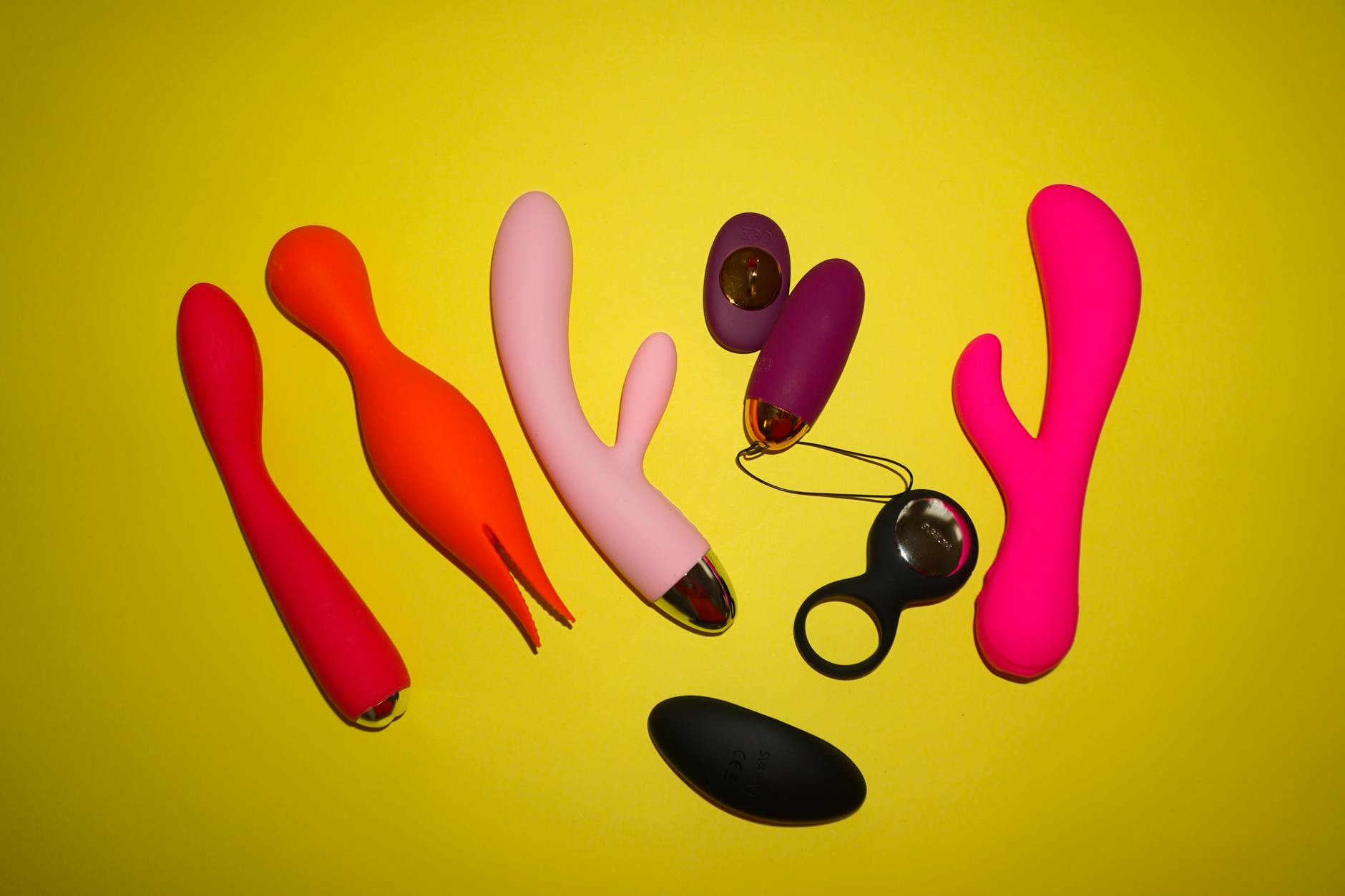
Photo by FounderTips on Pexels
When you're ready to rebuild with a partner
If you're grieving and in a relationship, this becomes its own conversation. You and your partner are processing grief on different timelines. One of you might be ready to reconnect before the other. And that's where things get tender.
Honestly, the most helpful thing is naming the timeline separately from the intimacy. "I'm still processing and I don't know when I'll feel like partnered sex" is a different conversation than "I don't want to be close to you." One is about grief. The other is about the relationship. Confusing them tanks both conversations.
If you're exploring sensation alone first, you're actually doing your relationship work. You're learning what your body needs. You're rebuilding trust with yourself. That foundation matters more than jumping back into partnered sex before you're ready. Many couples find that solo exploration with a lemon sucker vibrator actually helps the person grieving feel more present and responsive when they're ready to reconnect.
Grief is not forever, but it changes you
Here's the thing nobody tells you: you don't return to who you were before loss. Your capacity for pleasure doesn't reset to baseline. Instead, you gradually build a new relationship with sensation that includes what happened. Some people find their pleasure deepens because they're more present, more intentional. Others find it takes longer to build but feels more earned.
Using lemon clitoral vibrators as part of that reconnection can help. The lem vibrator's gentle suction approach respects the pace your nervous system needs. You're not forcing yourself into arousal. You're gently signaling to your body that it's safe to feel again.
This process might take weeks. It might take months. There's no rush. Your body will let you know when it's ready to feel more. Until then, tools like a lemon vibrator can help you maintain a tender dialogue with sensation. That dialogue is where healing lives.
FAQ: Returning to pleasure after grief
Is it normal to feel nothing when using a clitoral vibrator after loss?
Completely. Grief numbs sensation as a protective response. Your nervous system is working to keep you steady while processing big emotions. Numbness doesn't mean anything is broken. It means your body is in survival mode. As grief softens, sensation returns. Some people notice this happening in days, others over weeks. There's no wrong timeline.
How long should I wait after someone's death before trying to feel pleasure again?
There's no rule. Some people feel ready after a few weeks. Others feel guilty about pleasure for months. Both are valid. Listen to your body rather than a timeline. If pleasure feels impossible, that's fine. If you notice a moment where curiosity appears, that's when you might explore. The key is that it comes from you, not from pressure or expectation.
Can a lemon suction vibrator help if I'm numb down there?
Yes, but with realistic expectations. A lemon vibrator won't force sensation to return, but the gentle suction approach is less demanding than traditional vibrators. It can help wake up nerve endings gradually. Start at the lowest settings and treat it as exploration rather than a path to orgasm. Many people find that this gentler approach actually helps sensation return faster than more intense stimulation.
What if my partner wants sex and I'm still grieving?
This is a conversation, not a choice you have to make alone. You might say something like "I'm still processing this loss. I'm not ready for partnered sex yet, but I want us to stay connected. Can we talk about what that looks like for now?" Some couples find that solo exploration with tools like a lemon clitoral vibrator helps the grieving partner feel more present when they do want to reconnect.
Is it okay to use a toy when you're sad?
Absolutely. Self-pleasure can be soothing during grief. It doesn't mean you're not grieving sincerely. It means you're being compassionate with your body. The key is that it feels gentle and exploratory rather than like you're trying to "fix" your sadness or perform pleasure you don't feel. A lem vibrator's gentler suction approach can feel particularly comforting during this time.
How do I know if I'm ready to move forward with pleasure?
Readiness shows up in small ways. Curiosity about sensation. Moments where you think about touch without guilt. A desire to feel alive again, even if it's fleeting. You don't need to feel ready all the time. One moment of readiness is enough to start gently exploring. Your body will tell you its pace if you listen.
The path forward
Grief changes you. It changes how you relate to your body, to pleasure, to the future. That's real and important. But it doesn't have to be permanent, and reconnecting with sensation is part of reconnecting with yourself.
When you're ready, lemon clitoral vibrators offer a gentler entry point because they don't demand that your nervous system jump to intensity. They meet you where you are. They let you remember what sensation feels like. They create space for pleasure to return on its own timeline, not according to someone else's expectations.
If you're navigating grief and want to rebuild intimacy with yourself or a partner, I'm here. You don't have to figure this out alone. Reach out at /contact and let's talk about what your body might need right now.